


The men gazed into the distance. Now and again their voices rose angrily. Anybody watching would guess that all was not well with this group of young men engaged in a rancorous family dispute.
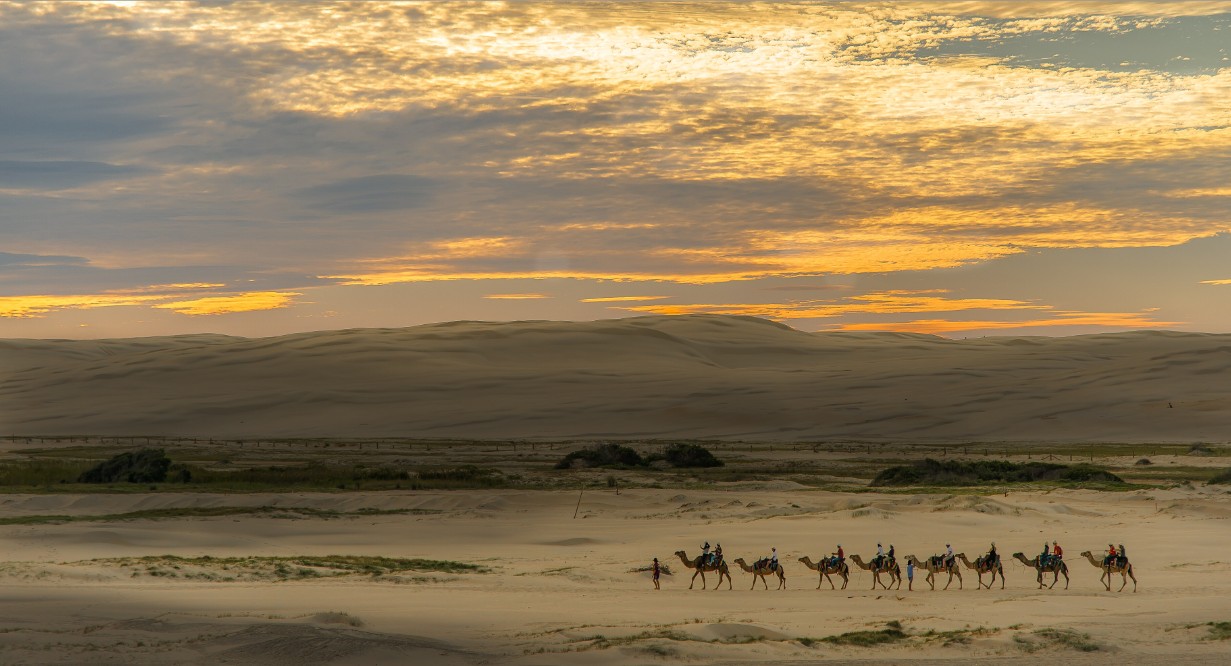
A weak cry sporadically rose then died, but there was no one to see; perhaps it was not a human sound at all but the breeze that blew fitfully across the Middle Eastern plain. This wind brought with it the pungent and unmistakable aroma of camel, overladen with the pleasanter scents of wood and resin, the fragrance of balm and myrrh. These smells, and an expanding view, now made certain what wasn’t before: a caravan of camels from Gilead, laden with an Egypt-bound cargo of spice, was heading their way.
As the Midianite camel train drew near, a negotiation took place. Twenty shekels of silver exchanged hands; Joseph was hauled from the pit he’d been thrown into, then handed to the traders. The brothers watched the camel train disappear south, and when they could no longer hear their younger brother’s desperate pleas, they fell to discussing what they would tell their father Jacob, as they turned Joseph’s many-coloured robe in their hands.
You can read the account of Joseph’s brothers selling him into Egypt in Genesis 37:12–36. It’s easy to overlook some small details that show it is historically and factually accurate.
Take the traders from Gilead: ‘a caravan of Ishmaelites coming from Gilead, with their camels bearing gum, balm, and myrrh, on their way to carry it down to Egypt’ (v. 25). Why were these traders travelling all the way to Egypt, from what is now Syria, to sell balm and myrrh?
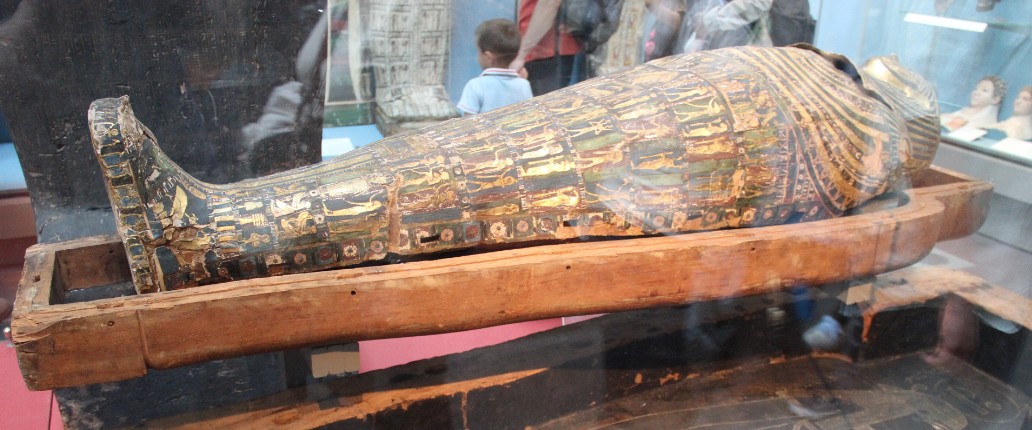
Many years after that day he was sold, Joseph rose to power in Egypt and all his family migrated from Canaan to join him there. Then Jacob, the father of the 12 brothers, died aged 148 (47:28): ‘And Joseph commanded his servants the physicians to embalm his father. So the physicians embalmed Israel’ (50:2).
Then later, Joseph himself died: ‘So Joseph died, being 110 years old. They embalmed him, and he was put in a coffin in Egypt’ (50:26).
It is well known that the Egyptians preserved their dead using a long and complicated process known as embalming which involved natron, resins, tars, oils, fats, spices and aromatics.
Gilead, located east of the Jordan River, was a major source of aromatic substances and an important regional trading hub. With such a big focus on the embalming process, no doubt Egypt was one of the Gilead merchants’ most important markets.
We know that for Jesus’ burial, a large quantity was required.
‘Nicodemus also, who earlier had come to Jesus by night, came bringing a mixture of myrrh and aloes, about seventy-five pounds in weight. So they took the body of Jesus and bound it in linen cloths with the spices, as is the burial custom of the Jews’ (John 19:39–40).
The story of Joseph rising from slavery to becoming second to Pharaoh has stood the test of time. The incidental fact of where the traders came from and what their merchandise was, seems almost unnecessary, but it makes historical sense. If the account of Joseph’s life contains such factual accuracy, we can more readily believe that everything else we know about him is true.
JOAN LEWIS
Adapted from Undesigned Scriptural Coincidences by J J Blunt.