


‘Whatever was written in former days was written for our instruction, that through endurance and through the encouragement of the Scriptures we might have hope.’ (Romans 15:4)
‘Exhortation’ means encouragement, comfort.
If exhortation in worship is to have any relevance to the Christian life, it must be based on the Word of God. A Bible talk laden with platitudes, homilies and humorous anecdotes may be nice to listen to, but will not satisfy those souls who ‘hunger and thirst for righteousness’, nor the mind of those who are ‘poor in spirit’ (Matthew 5:3–6). The souls which yearn to be ‘pure in heart’ (v. 8) can only be comforted, helped and encouraged by learning the ways and mind of God, and being reminded of the importance of being a ‘new creation’ (2 Corinthians 5:17).
To be effective, personal faith must be renewed and refreshed, so that living the spiritual life becomes a little clearer by the plain and direct teaching of God’s living Word (Hebrews 4:12). At the same time, believers remember they are frail human creatures and not immune from evil influences around them. It is easy to backslide, slip up or fall away, and the temptations to do so are powerful. In an encouraging Bible talk, warnings are equally important in addition to the comfort of the wonderful hope of the Gospel.
The Apostles’ Words
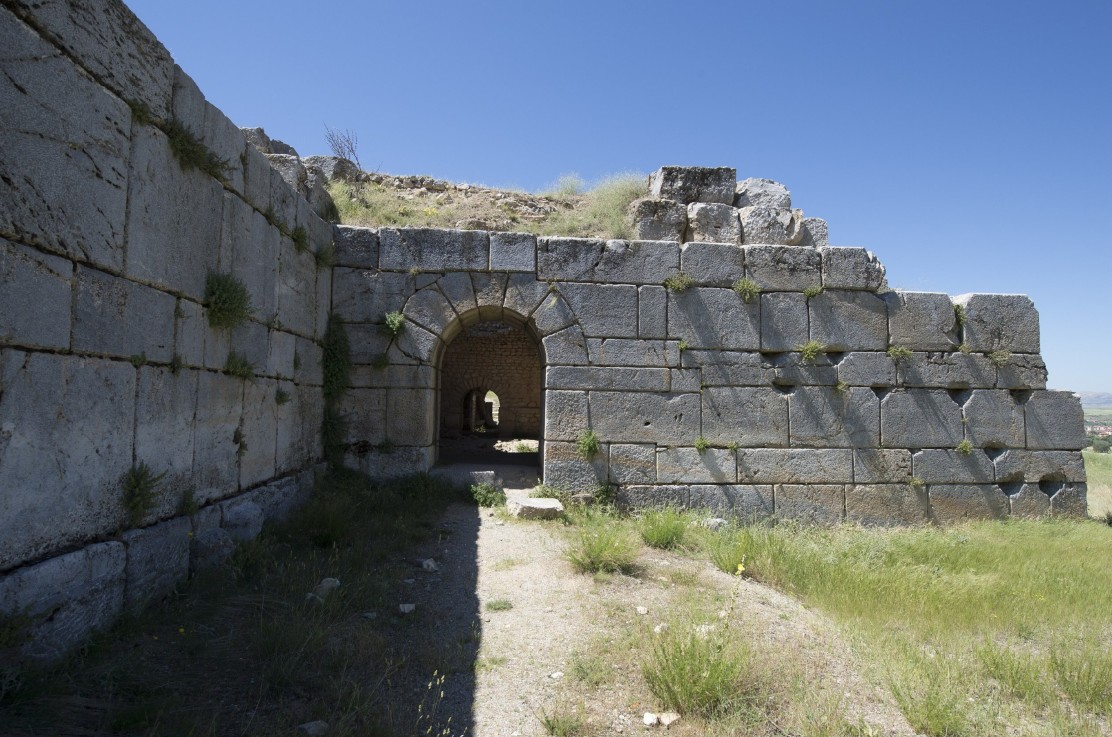

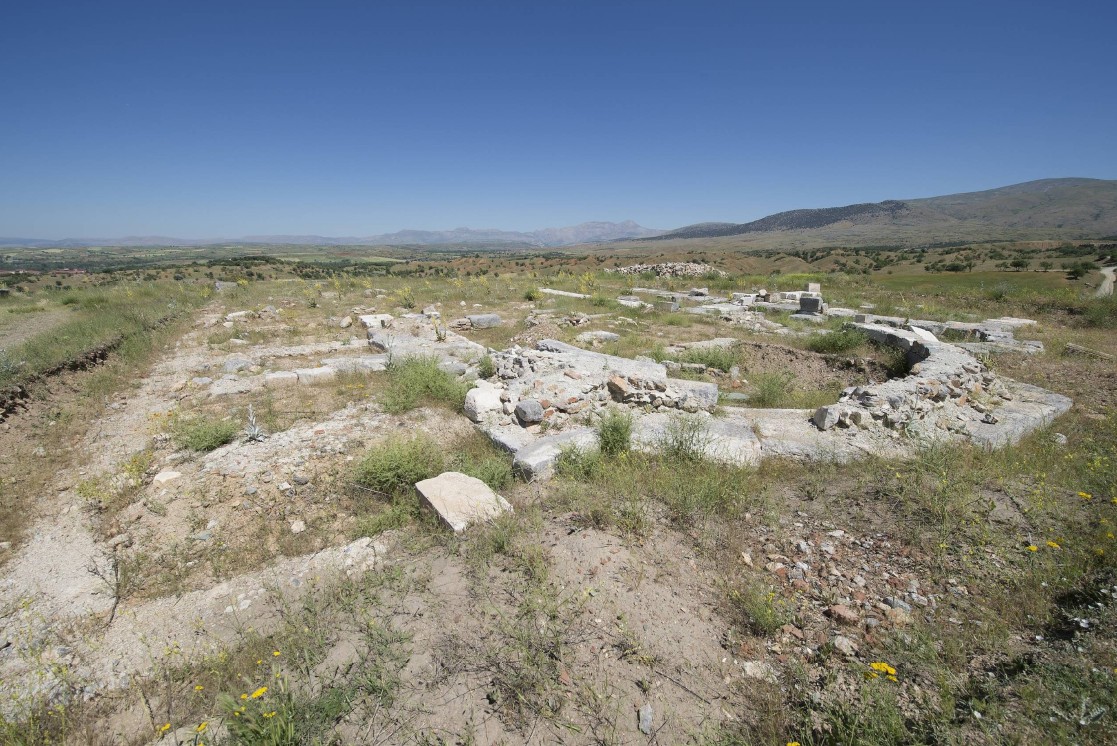
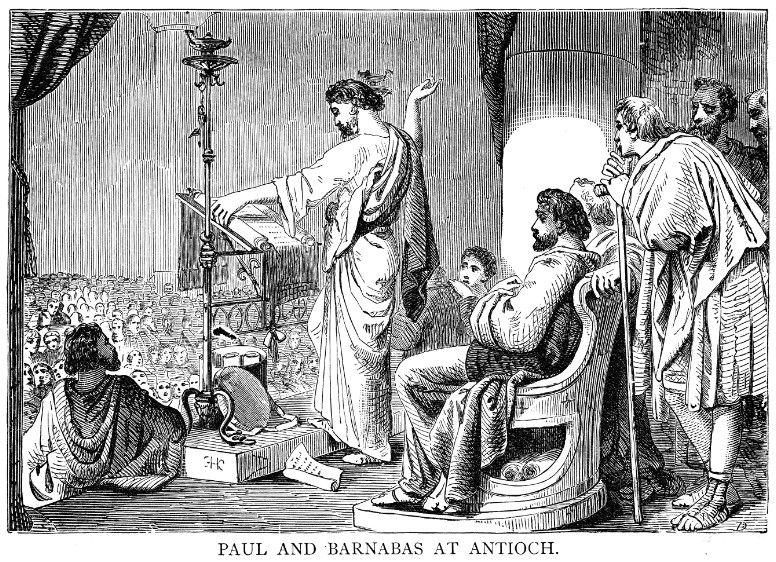
When the apostles Paul and Barnabas arrived in Pisidia in Galatia on their second missionary journey, they made their way to Antioch, a town about one hundred miles north of their last area of work which was in Perga of Pamphylia. At Antioch on the Sabbath day, they went into the synagogue for worship. There were Gentiles in the assembly, those who were sympathetic to the Jewish faith and others who were proselytes or thinking of converting to the faith. The pattern of the service was the same as elsewhere: there were Bible readings, then a talk. This time Paul and Barnabas were invited to address the congregation. ‘After the reading from the Law and the Prophets, the rulers of the synagogue sent a message to them, saying, “Brothers, if you have any word of encouragement for the people, say it”’ (Acts 13:15).
Paul responded, “Men of Israel and you who fear God, listen” (verse 16). We are not told what parts of the Law and the Prophets were read that day, but Paul’s talk was based on the person of the Lord Jesus Christ, and how the Jewish story began with God’s choice of Abraham, Isaac and Jacob, the founding fathers of the nation, and to whom some mighty promises were made (vs. 17–41). Paul referred to several Old Testament passages to prove the truth of the claims of the Lord Jesus Christ, including an appeal to his audience to seek forgiveness of sins and salvation. He concluded in verse 41 with a warning and a personal challenge by quoting from their Old Testament prophet Habakkuk: ‘Look among the nations, and see; wonder and be astounded. For I am doing a work in your days that you would not believe if told’ (Habakkuk 1:5).
This was serious. It was about judgement to come. The Jewish part of the assembly in the synagogue would know this was right, because the next verse in Habakkuk was warning about an imminent invasion (in the prophet’s day) into the land of Judah, by the Babylonians, and the subsequent deportation of the people into captivity. Now in the apostles’ time history was about to be repeated, and Paul was warning of the impending judgements of God on this present generation of Jews, which was fulfilled by the Romans in 70 ad.
So, the warning in the words of exhortation was appropriate and timely. This is why we read that ‘the people begged that these things might be told them the next Sabbath’ (Acts 13:42). They heard the message clearly and wanted to be personally prepared and if possible, escape the horrors of what was on the horizon for the Jewish nation.
The encouragement which the apostle gave impacted on the minds of those who listened and guided the thoughts of the congregation towards the Lord Jesus Christ, and what he had brought—forgiveness of sins and salvation by his crucifixion and resurrection. This was the comfort, the consolation, the encouragement to those who were in need.
The people might not have realised their need, and some Jews deliberately rejected the offer of salvation and the counsel of God against themselves and judged themselves unworthy of eternal life (v. 46). But the Gentiles did recognise their need for spiritual regeneration and were admonished by what they heard, so that ‘they began rejoicing and glorifying the word of the Lord, and as many as were appointed to eternal life believed’ (v. 48).
Lives which were flawed were rescued. God was glorified by the humble response to His true and faithful scriptures and the offer of forgiveness and salvation in Christ. He had been worshipped and honoured and His righteous ways acknowledged and believed. The exhortation was faithful to the Word of God and had served its purpose.
VIC AUCOTT
(to be continued)