


Luke is the writer of the Gospel of Luke and the Acts of the Apostles. Many writers comment on the accuracy of the details in his narratives. It is said he writes with the compassion and warmth of a family doctor, as he carefully shows us the story of Jesus Christ and his followers. Luke records many of the most memorable parables of Jesus. He provides an account of the ancestry of Jesus Christ, all the way back to God (Luke 3:23–38).
Beloved Physician
Luke is a Greek name with a spiritual meaning: ‘light giver’. We know little about him—because of his humility he hardly refers to himself. We know that he was a Gentile from Antioch. He possibly converted to Christianity during Paul’s first missionary journey. He is the only Gentile writer in the New Testament.
Paul calls him ‘Luke the beloved Physician’ (Colossians 4:14). That word ‘physician’ implies he was a ‘skilled healer’. When travelling with Paul he would provide medical care for him and others. His writings reveal that he was highly educated, especially in medicine, literature, historiography, and geography; he had outstanding command of the Greek language, and his writing is noted for its detailed descriptions of medical conditions and treatments.
He did not witness Jesus’ ministry, but he carefully investigated various accounts to provide an orderly and detailed historical record of it (Luke 1:1–4). He was personally involved in many of the events recorded in the book of Acts, as we see when the narrative slips into the first person:
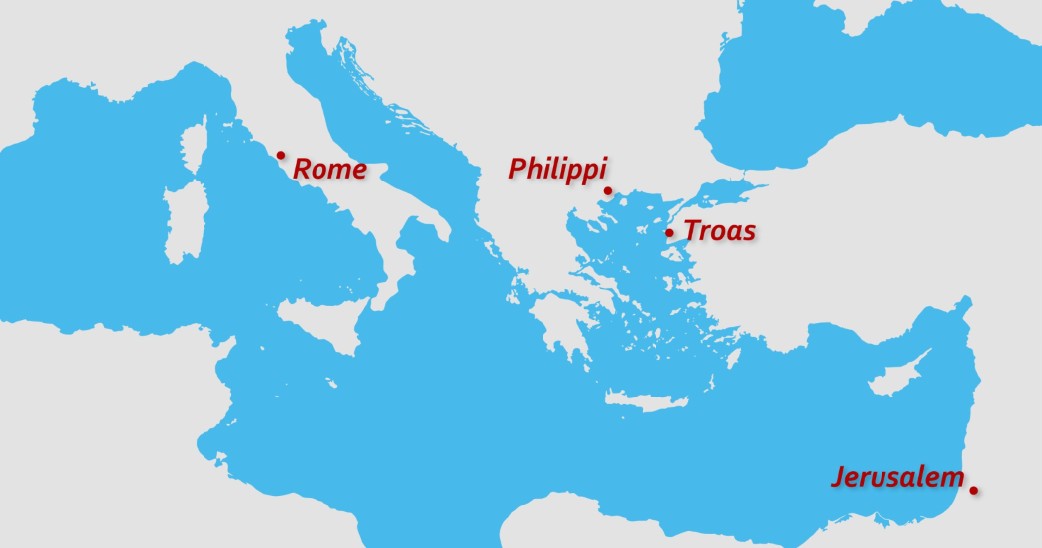
• Acts 16:10–15: Luke joins Paul in Troas and travels with him to Philippi.
• Acts 20:5–16: Luke is with Paul again in Philippi, travelling with him to Troas and then sailing to Jerusalem.
• Acts 21:1–18: The narrative continues with the “we” group on their way to Jerusalem.
• Acts 27:1–28:16: Luke is with Paul during his imprisonment and voyage to Rome.
Luke was a loyal companion of Paul. In his last letter as he was awaiting execution in Rome, Paul wrote, ‘Luke alone is with me’ (2 Tim 4: 11).
The Acts is the very important record of the beginning of the Christian community. It records the last words of Jesus before he ascended to his Father, as he gave his followers the commission to take his Gospel message across the world (Acts 1:8).
Luke’s writing has influenced many readers. Sir William Ramsay was a British archaeologist and Bible sceptic. He believed the Bible writers invented facts and stories. The book of Acts, he declared, was full of errors, and to prove this contention, he travelled to Asia Minor to demonstrate Luke’s unreliability.
Accurate Historian
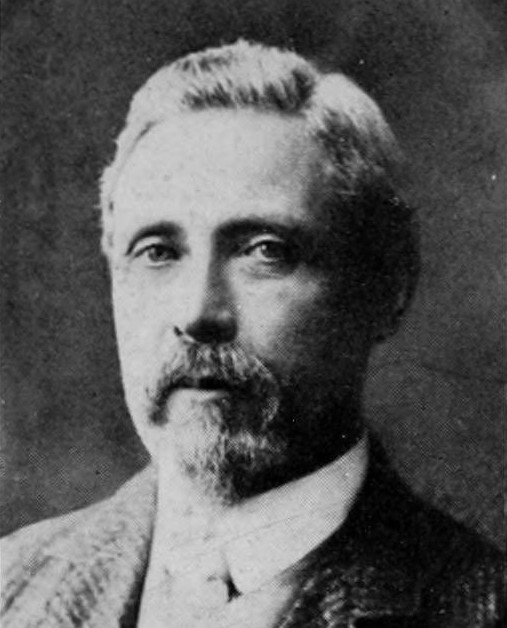
He understood he could not prove or disprove miracle accounts, but if he could show Luke was a sloppy historian on facts that could be verified (geographical and historical), he felt he could discredit Luke’s writings.
Ramsay the sceptic returned to Great Britain a believer. He had been unable to discredit any of Luke’s writing. He found Luke to use specific and accurate terminology that reflected a careful chronicle of events. There were proconsuls in senatorial provinces (Acts 13:7), Asiarchs in Ephesus (Acts 19:31), and politarchs in Thessalonica (Acts 17:6). His conclusion was that Luke was a highly reliable historian, and consequently the story of the early church in the book of Acts is a remarkably clear one.
TOM INGHAM