



It is important when we wish to reflect on our lives that we can do so with knowledge which is straight and true. In this world there are so many voices that loudly clamour for our attention, from those who want our money to those who regale us with ‘fake news’. Our own memories and perceptions also may be faulty. What we really need is a voice that speaks clear truth with an understanding of our human condition and what we might need. What about …
Human Knowledge?
The first thing that stands out is the importance of knowledge in all our experience of life. In my case, throughout my illness I have been supported by medics, paramedics, nurses and surgeons, doctors and many ancillary staff, who have shown us a great deal of thoughtful kindness and patience, and always taken the time to carefully explain all about the condition and its treatment. It is factual knowledge, and most of it simply has to be accepted. This is the way things, the future in particular, have to be. The outcomes depend on the medics’ skill, and possibly my resilience.
In their hands (and we are most thankful for all they have done and are doing), sadly, mortality is high on the agenda. Knowledge by itself can be stark.
Unfortunately, most of us come with baggage to a diagnosis such as cancer, and generally that induces negative feelings. How important then that we get the really positive messages from the word of God!
Knowledge of God
Bringing God into the picture opens up the future. Yes, we still have to face up to the realities in this life, but we have God’s help and support, and we have hope and a vision of a better world to come.
Let’s simply follow a few Bible references, and we will see how important is the knowledge of God to us. The Apostle Peter says to believers:
‘May grace and peace be multiplied to you in the knowledge of God and of Jesus our Lord. His divine power has granted to us all things that pertain to life and godliness, through the knowledge of him who called us to his own glory and excellence, by which he has granted to us his precious and very great promises, so that through them you may become partakers of the divine nature, having escaped from the corruption that is in the world because of sinful desire.’ (2 Peter 1:2–4)
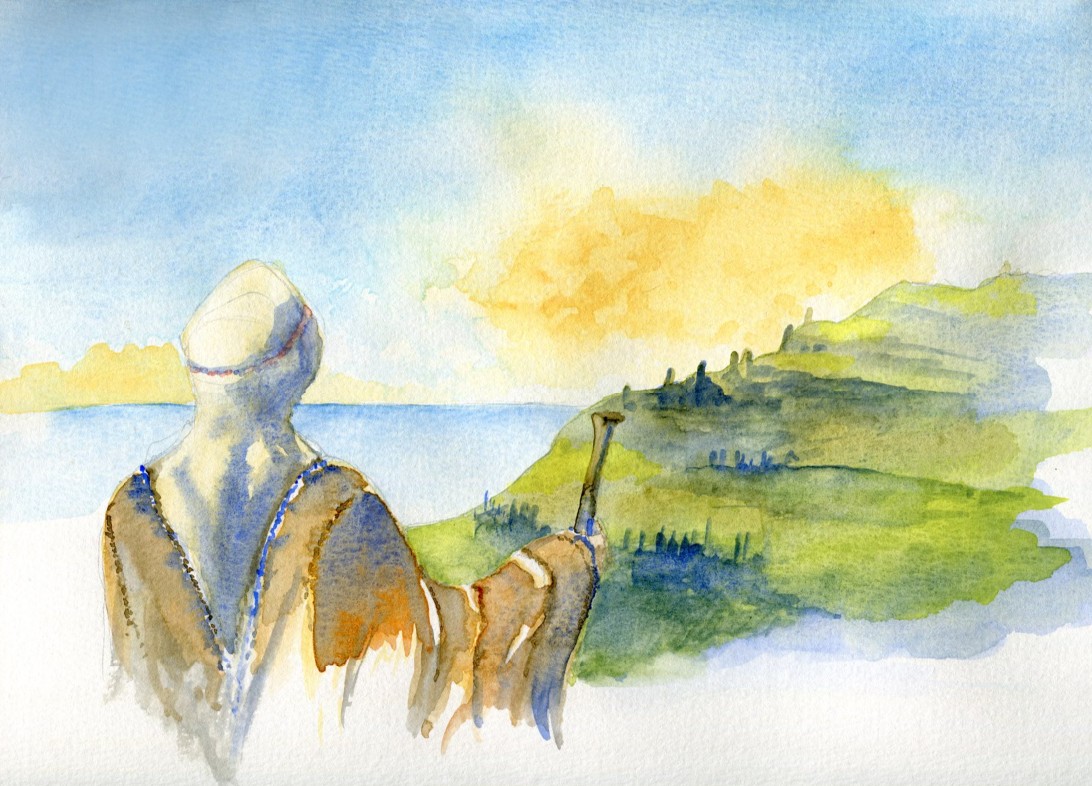
As an example of this we are able to read and find out about Abraham, in the Old Testament. The promises given to him involved:
• The land of Promise (Israel)
• The place of eternal happiness on earth
• A time when all nations will be settled and at peace on earth— all nations will be blessed (Genesis 12:1–7).
Abraham’s faith in God was accounted as righteousness (Genesis 15:6).
All true believers are accounted as descendants of Abraham, by being baptized into Christ (Galatians 3:27–29).
When Jesus returns, those who have died will be raised from the dead and granted everlasting life in the kingdom of Jesus Christ (1 Corinthians 15:23).
Everlasting Life
That phrase really rings a bell doesn’t it! Instead of our corrupt human nature we can be transformed into beings with God’s nature (vs. 50–55). And it’s all because we know, we have learned of God’s great and precious promises and taken them to ourselves through faith. But then there is a journey that also involves faith. Peter goes on:
For this very reason, make every effort to supplement your faith with virtue, and virtue with knowledge, and knowledge with self-control, and self-control with steadfastness, and steadfastness with godliness, and godliness with brotherly affection, and brotherly affection with love. For if these qualities are yours and are increasing, they keep you from being ineffective or unfruitful in the knowledge of our Lord Jesus Christ.’ (2 Peter 1:5–8)
This is a list of characteristics we are required to develop during our faith journey.
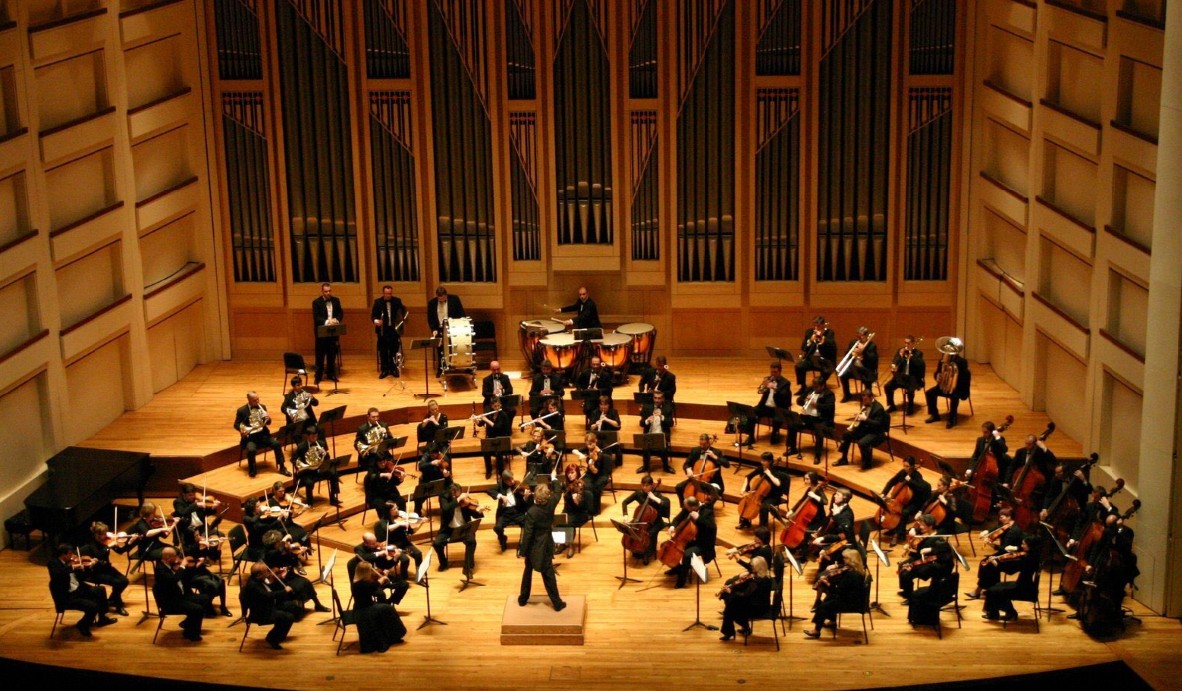
Actually underlying that word ‘supplement’ is the idea of an orchestra playing a great symphony. Each instrument, playing its part in the music, is there all the time, being called forth by the conductor—through each movement the instruments harmonize together, gradually coming to a grand climax with the full orchestra playing a final chord. All through the music the base line is supplied by knowledge—the true knowledge of God.
This is a wonderful picture of our faith’s journey towards its conclusion —in the Kingdom of God which will be established at the return of Jesus Christ.
Peter’s Knowledge
‘Therefore I intend always to remind you of these qualities, though you know them and are established in the truth that you have. I think it right, as long as I am in this body, to stir you up by way of reminder, since I know that the putting off of my body will be soon, as our Lord Jesus Christ made clear to me. And I will make every effort so that after my departure you may be able at any time to recall these things.’
(2 Peter 1:12–15)
While ever he has opportunity, Peter wants to remind the believers of how valuable the hope is that they have in the Lord Jesus Christ. He has described the promises as great and precious! They lead to everlasting life in the Kingdom; how much more valuable is the hope of being fully part of that Kingdom, than is this earthly life.
But this life is a necessary precursor, in which our faith is developed through trials and the pressures of now. Our present life is a temporary dwelling, a tent, and it has to be put off and the new eternal life put on. We need to be transformed. We put off the old life in death, and put on the new through resurrection from the dead. How much more these things become important to us, when, as Peter, there is an immediate threat to life—his was through persecution and execution, mine is through disease and a terminal prognosis.
Jesus’ Transfiguration
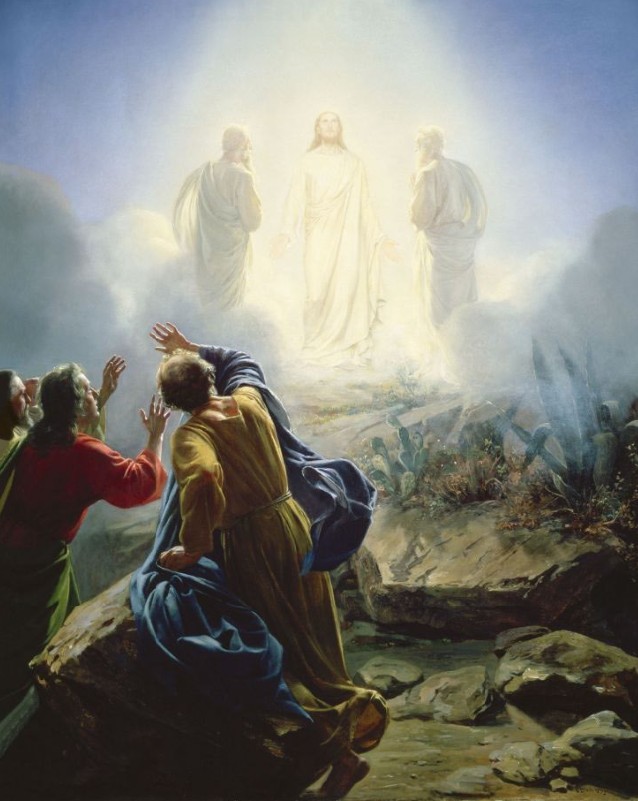
‘For we did not follow cleverly devised myths when we made known to you the power and coming of our Lord Jesus Christ, but we were eyewitnesses of his majesty. For when he received honour and glory from God the Father, and the voice was borne to him by the Majestic Glory, “This is my beloved Son, with whom I am well pleased”, we ourselves heard this very voice borne from heaven, for we were with him on the holy mountain.’ (2 Peter 1:16–18)
Peter is recalling an actual incident in his life, one of his greatest experiences, when one night he witnessed Jesus Christ being glorified (Luke 9:28–36). This episode is known as Christ’s ‘transfiguration’. The Gospels present it to us as two things:
1. A preparation for his death on the cross, and
2. A foretaste of the Kingdom of God.
We are told that Moses and Elijah appeared with Jesus in glory, in shining brightness. The two men who at important times in Israel’s history had shown the whole nation that there was no other God worth having aside from the LORD God of heaven and earth, Who would save the nation if they would truly believe.
Alongside this was a clear vision of what the relationship with God could mean, both then and for the future (Exodus 33–34 and 1 Kings 18:20–46).
Although Jesus knew what lay ahead for him, he undertook the task given him by his Father. He had the vision of the new world order which would come into being because of him, beginning with all those who would respond by faith to the Gospel message (Hebrews 12:2). Eventually, through the resurrection of the dead, this will lead to all the earth being filled with God’s glory.
Peter had his knowledge of Jesus confirmed by these events. There was absolutely no doubt about why Jesus had come, who he was and what he would accomplish by his death and resurrection.
Not Fables
What an amazing thing to have been there when these things happened! Of itself it is transforming knowledge which, if acted upon in faith, will lead to Peter’s (and all believers’) personal transfiguration—being utterly changed to an immortal being, made like the angels (Matthew 22:30), fulfilling perfectly the will of God and being given the dominion that was given to our first parents Adam and Eve when they were created but lost through sin (Genesis 1–3). But their problem is also our problem. Let’s read together the next few verses. Following on from his recollection of the transfiguration, Peter says:
‘And we have something more sure, the prophetic word, to which you will do well to pay attention as to a lamp shining in a dark place, until the day dawns and the morning star rises in your hearts, knowing this first of all, that no prophecy of Scripture comes from someone’s own interpretation. For no prophecy was ever produced by the will of man, but men spoke from God as they were carried along by the Holy Spirit.’ (2 Peter 1:19–21)
We can’t have the first hand experience of Jesus that Peter had, but readily available to us we have the Bible, the source book of all knowledge about God and His purpose through Jesus Christ. Just to emphasize, our dark hearts can be transformed by the knowledge we gain from the Bible, and through it, by faith, we have full access to the great and precious promises made to us through Jesus. Truly wonderful!
‘So faith comes from hearing, and hearing through the word of Christ’ (Romans 10:17).
Final Reflections

I know, more certainly than ever before, that I need to put off this earthly temporary tent so that, by grace, I might put on my eternal dwelling through resurrection when Jesus comes.
In the meantime the Lord still has work for us to do, our lives are entirely in His hands. He will decide when it is time for me to go. I still hope that the Lord Jesus will soon be here, bringing with him the precious gift of eternal health, when we will be changed in a moment, ‘in the twinkling of an eye’ (1 Corinthians 15:52).
‘And I heard a loud voice from the throne saying, “Behold, the dwelling place of God is with man. He will dwell with them, and they will be his people, and God himself will be with them as their God. He will wipe away every tear from their eyes, and death shall be no more, neither shall there be mourning, nor crying, nor pain any more, for the former things have passed away… The one who conquers will have this heritage, and I will be his God and he will be my son”’ (Revelation 21:3–4, 7).
DAVID NIGHTINGALE