



‘Worship the LORD in the splendour of holiness; tremble before him, all the earth! Say among the nations, “The LORD reigns! Yes, the world is established; it shall never be moved; he will judge the peoples with equity.”’
(Psalm 96:9–10)
To worship God is a freewill choice. How to worship God is quite different. It is a matter of a good heart and conscience, which are attuned to the ways and thoughts of God. We must not be casual or careless in the way we express our worship. We need to remember God is the Sovereign Creator of the Universe, and by comparison, we are only specks of dust. We must not dictate to God and tell Him how we propose to worship Him—especially since He has revealed for us the way of approach, in the Bible. He expects us to conform, because of who He is and what we are.
Worship Through the Ages
True and acceptable worship is expressed through a combination of spiritual qualities. Love for God and His praise are essential, mixed with humility, obedience and faith. Under the Old Testament Law of Moses, it was necessary for the priests to offer burnt offerings daily, then weekly on the Sabbath, monthly on the new moon and annually on the Day of Atonement. In addition, there were extra days when other sacrifices were required. In the New Testament, when the Lord Jesus and the Apostles came and the Gospel spread across the Roman world, it was the recognised practice that the believers met regularly on the first day of the week to share the ‘Lord’s supper’ (Acts 20:7) in memory of the death and resurrection of the Lord Jesus Christ. It was an act of obedience to the Lord’s commandment to remember him, and an occasion of faithful worship (1 Corinthians 11:20–25).
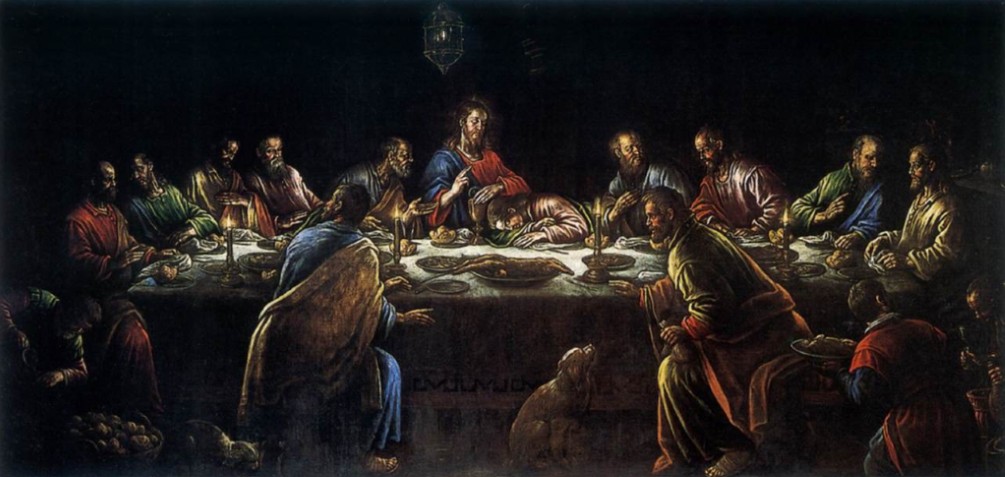
Due to our weakness, we need regular reminders of what we are about when we approach God. There have been different requirements in different ages and among different peoples. But one thing remains constant—the need to worship God as commanded. This is a matter of conscience, and must affect our outlook.
As the children of Israel were about to enter the Promised Land, Moses in his last message to them emphasised the importance of remaining true to the Word of God. He said, “You shall not add to the word that I command you, nor take from it, that you may keep the commandments of the LORD your God that I command you… See, I have taught you statutes and rules, as the LORD my God commanded me, that you should do them in the land that you are entering to take possession of it. Keep them and do them, for that will be your wisdom and your understanding in the sight of the peoples, who, when they hear all these statutes, will say, ‘Surely this great nation is a wise and understanding people’” (Deuteronomy 4:2–6). It is not without significance that the Lord Jesus repeated this command not to add or take away from God’s Word, in Revelation 22:18–19 when he gave his final message and spoke of judgement to come.
Cain and Abel
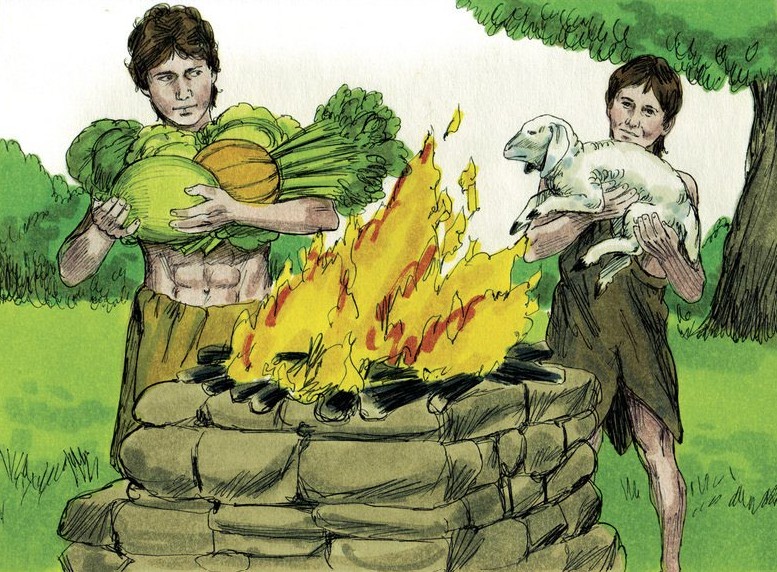
There are early examples in the Bible in connection with worship, about the dangers of deviating from the commandments of God. In Genesis 3 when Adam and Eve took of the forbidden fruit after Eve was beguiled by the serpent; and again, in Genesis 4:1–7 when their children Cain and Abel brought offerings to God. Abel offered ‘of the firstborn of his flock’, and was accepted by God, but Cain brought ‘of the fruit of the ground’. We read that God did not accept Cain and his offerings. Probably Cain offered the best of his crop as a sacrifice, but it was not what God wanted. There is no doubt that they understood the principle of animal sacrifice, in view of Genesis 3:21. Cain was judged to be disobedient and unfaithful. His act of worship was marred because he disregarded what God wanted and did what he himself wanted. These two breaches of God’s commandments were disastrous for Adam’s descendants, including ourselves.
“I Delight to Do Your Will”
Jesus Christ fulfilled the Old Testament Law, and introduced a new arrangement of worship which revolved around his own perfect sacrifice, rather than animal sacrifices. The accounts of the early church in Acts and the letters show that some Jews found it difficult to adjust to the new arrangement.
Jesus’ mind was saturated in the teaching of the Old Testament, which so frequently referred to himself. Before his ascension to heaven, he instructed his disciples “that everything written about me in the Law of Moses and the Prophets and the Psalms must be fulfilled” (Luke 24:44).
One of the Psalms to which he may have been referring was Psalm 40: ‘Then I said, “Behold, I have come; in the scroll of the book it is written of me: I delight to do your will, O my God; your law is within my heart”’ (vs. 7–8). This is a prophecy about his life, and expresses the discipline of love and the total commitment needed by him to faithfully serve and worship his Father. It also reveals his personal delight and freedom of spirit in the worship he offered. Jesus was a faithful Son who did not waver from the role his Father had determined for him, that he should be “crucified and killed by the hands of lawless men” (Acts 2:23).
It was this singlemindedness and love for his Father, which encouraged him to fulfil the great purpose of being the one and only acceptable sacrifice which could ensure the redemption God had promised. His whole life was a devoted act of true worship, faithfully lived day by day according to the scriptures.
VIC AUCOTT
(to be continued)