


PART 28 – IN THE BEGINNING
Fact can be stranger than fiction. The life story of Joseph is so packed with drama that it reads like a play. The most amazing episode of his career took place during the seven years of famine which came upon Egypt and the surrounding countries.
Pharaoh was pleased with his fortune in having the bright young Hebrew to manage his affairs, especially when he saw how his coffers were bulging with the income from the grain Joseph had so thoughtfully stored away during the good years before the famine. Soon others besides the Egyptians were trekking down to buy food to keep them going. ‘All the earth came to Egypt to Joseph to buy grain, because the famine was severe over all the earth’ (Genesis 41:57). Word got back to Jacob in Canaan. He was now very old, but still ruling over Joseph’s eleven brothers, in the patriarchal tradition.
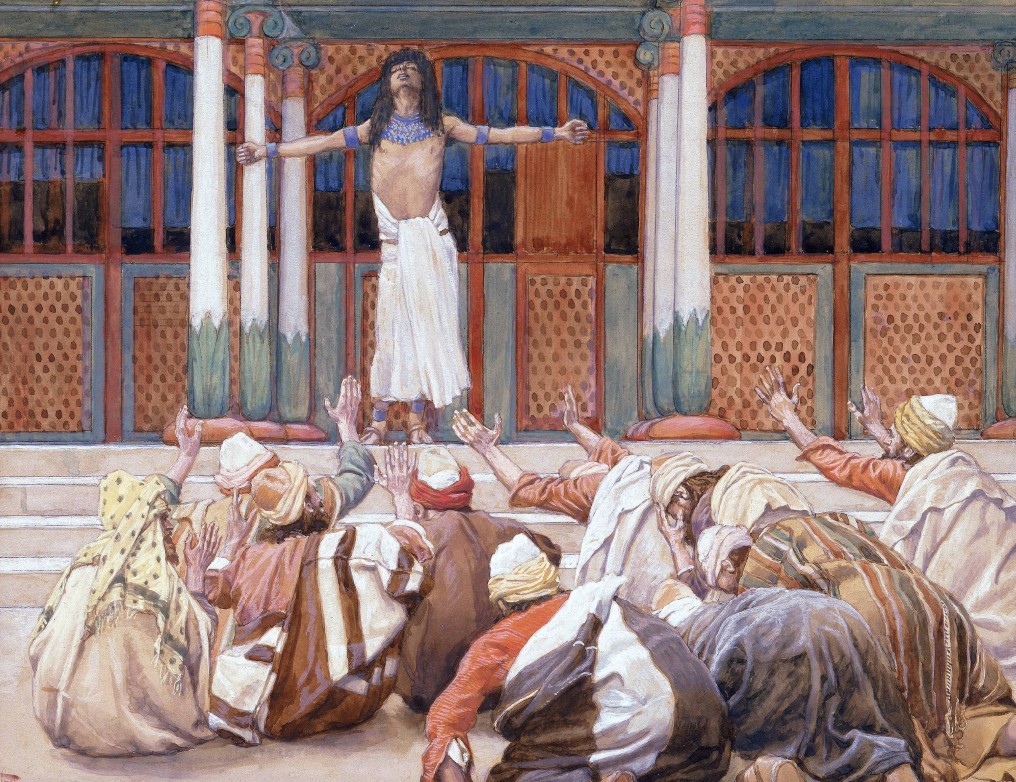
Like his neighbours, Jacob decided to send off an expedition to bring supplies for his hungry household. Soon the brothers were on their way with money and sacks for their purchases. They had no idea the official in charge of corn sales was their brother. He had an Egyptian name, and wore Egyptian clothes, and they bowed humbly before him like the others in the queue when their turn came. But Joseph recognised them instantly. What a shock he had when he realised that his 20-year-old dream had just come true! (Genesis 37:7). There were his older brothers, doing obeisance to him, just as God had promised, yet so naturally that no one in the room knew anything about it but Joseph himself.
In a flash he perceived how God had engineered the events of his life to bring him to that day. He had journeyed from kidnap to Egyptian slavery, from prison to Pharaoh’s court, and now to a position where he had power to provide for the welfare of his family when their lives were threatened by famine.
Teasing his brothers, he acted out the part of a harsh Egyptian officer. He accused them of being spies, and treated them to a spell in prison, so that for three days they had a taste of the agony and distress he himself had once suffered at their hands. He overheard them blaming their bad fortune on the crime they had committed against him years before when they sold him as a slave. He knew then that their consciences were at work, and marvelled how God had brought them into his power. He released them to go home, insisting that they must bring back Benjamin, his blood brother who had been kept behind by Jacob.
“God Sent Me Before You”
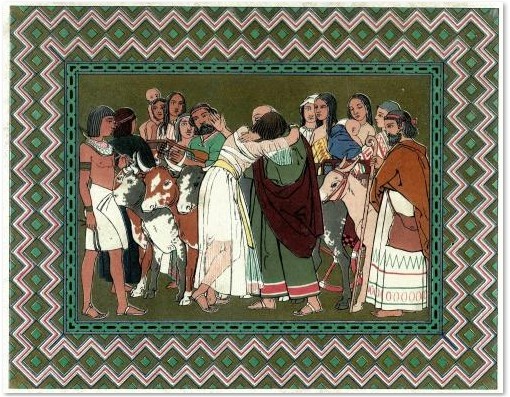
This they did on their second expedition, upon which Joseph decided he would now reveal his identity. Embracing them and weeping with joy and excitement, he told them not to reproach themselves any longer for his misadventures. “God sent me before you to preserve for you a remnant on earth, and to keep alive for you many survivors,” he said. “So it was not you who sent me here, but God. He has made me a father to Pharaoh, and lord of all his house and ruler over all the land of Egypt” (Genesis 45:7-8).
He sent them home to fetch to him his beloved father, together with their wives and children, flocks and possessions. Pharaoh, delighted at the discovery of Joseph’s family, donated a fertile area from the Egyptian heartland for them to settle in comfort and support their flocks. He even offered Joseph’s brothers employment as managers of the royal farms. And at last, after many bitter years of separation, Joseph and Jacob were reunited.
Jacob could hardly believe that his son was still alive. He had mourned his death so long that it seemed like some tantalising dream when the eleven brothers insisted they had talked with Joseph and eaten in his presence. The sight of the distinctive Egyptian wagons waiting at his gate to transport him south finally made up his mind. “It is enough,” he quavered, “Joseph my son is still alive. I will go and see him before I die” (Genesis 45:28). So all ended happily, and the old man spent his closing years in peace under the watchful eye of his favourite son, while the Israelites ‘settled in the land of Egypt, in the land of Goshen. And they gained possessions in it, and were fruitful and multiplied greatly’ (Genesis 47:27).
We must now gather together the threads of the narrative for a few final lessons before we bid farewell to Genesis, the book of “beginnings”. There are so many points we could consider, but here are three that stand out.
God’s Promise
Firstly, there is the matter of the promise to Abraham. Over 200 years before the time of Joseph, God had told his great grandfather that the land of Canaan would be given to his family for ever. He sketched out for Abraham the outline of the next 400 years.
“Know for certain that your offspring will be sojourners in a land that is not theirs and will be servants there, and they will be afflicted for four hundred years… And they shall come back here in the fourth generation” (Genesis 15:13,16).
Abraham was not told that the foreign land was going to be Egypt, but that is how things turned out, as we have seen. In the appointed time, God sent Joseph on ahead, and then by means of the famine drew the rest of the family to the place He had prepared. There they settled and flourished. After the death of Joseph they became so numerous and powerful that the Egyptians made them slaves, to keep them under control. At last, after years of oppression, Moses led them back to the promised land of Canaan. History confirms the presence of the Hebrews in Egypt. Indeed, now Egyptologists have learned to read the hieroglyphic script of the tombs and monuments, the details of the narrative have been proved absolutely true to life. The organisation of the prisons, the investiture to office by Pharaoh with a ring and gold chain, the preoccupation of the Egyptians with the meaning of dreams, the storing of grain in public granaries—all find their counterpart in ancient Egyptian culture.
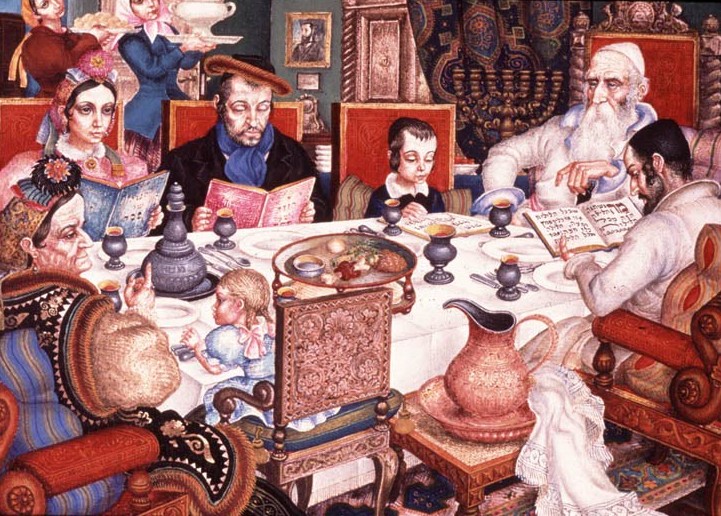
Still more striking is the festival of Passover, practised by Jews every spring all over the world, to commemorate the day they left Egypt under Moses to go back to Canaan (as recorded in the book of Exodus).
These facts support the record in Genesis that the Israelites left Canaan for Egypt, and then returned, just as God had promised. He kept His word to Abraham. This should give us faith to believe that He will fulfil His other promises. He has sworn in the latter days to restore Israel again to their land, with Jesus Christ as their king (Luke 1:32). They have already started to be regathered, and so we know that the coming of Christ must be near.
The Example of Joseph
Secondly, there is the pain Jacob suffered during those years of separation, mourning his son as dead. He had already lost his wife. Yet God allowed him to endure this extra blow.
Many people lose their faith in God in the face of tragedy, unable to accept that He may decree suffering as well as blessing in this life, as part of His plan (Job 2:10). Yet Jacob emerged from his experiences full of confidence and trust. Just before he died, he spoke to his grandchildren in these moving words:
“The God before whom my fathers Abraham and Isaac walked, the God who has been my shepherd all my life long to this day, the angel who has redeemed me from all evil, bless the boys” (Genesis 48:15). Looking back, he accepted that there had been bad times in his life, but God had led him through them all, and now he wanted his family to continue to enjoy the same relationship he had with God. Perhaps his example may bring you comfort, if now or ever you feel overwhelmed by grief or suffering.
Jesus the Deliverer
Finally, we can see in this last phase of Joseph’s career, still more shadows of the work of Christ, the coming deliverer. Joseph brought salvation from death for both Jew and Gentile with the vital bread he provided. This matches the bread from heaven, Christ’s body, which he gave on the cross to bring life for the world (John 6:51). Joseph’s appearance to his brothers who once rejected him, to be worshipped by them and accepted as their lord, fits the second coming of Jesus. Then the Jews will at last look to him, and “mourn for him, as one mourns for an only child, and weep bitterly over him, as one weeps over a firstborn” (Zechariah 12:10). They will admit their mistake, and rejoice in his pardon. And Joseph’s wonderful love and respect for his father, is just like Jesus’ devotion to the will of God.
No Ordinary Book
So we could go on, multiplying examples, but these will illustrate the point we have made consistently through this series, that Genesis, like the rest of the Bible, is no ordinary book. It is the diary of God’s work with real people like ourselves: people who loved, and fought, and wept, who submitted to His will or hated Him as they chose. If we dismiss it as myth, we do it an injustice. If we neglect it, we miss principles and examples that can really help us in our spiritual life. But if we heed its teaching and embrace its promises, it can take us right into the Kingdom of God. For as the apostle Paul writes:
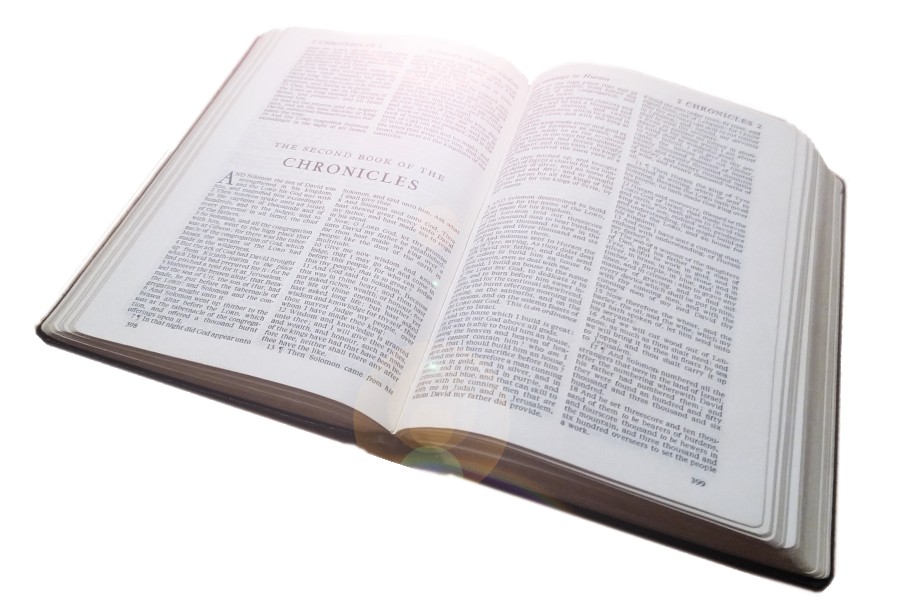
‘All Scripture is breathed out by God and profitable for teaching, for reproof, for correction, and for training in righteousness, that the man of God may be competent, equipped for every good work’ (2 Timothy 3:16–17).
DAVID PEARCE
(concluded)