

“I have my faith, but I don’t go to church—I don’t do organised religion.”
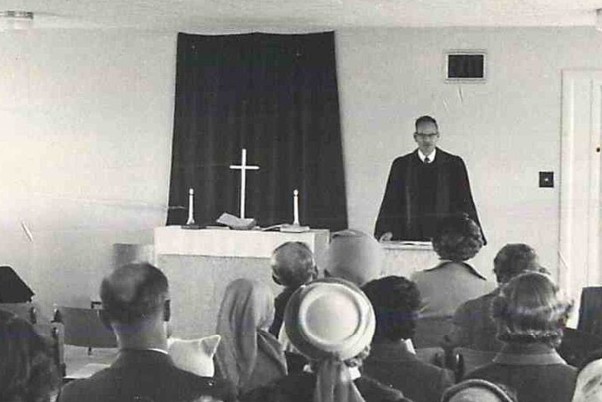
That’s a pretty common outlook these days, and it’s understandable. When many people think of organised Christianity they think of strange rituals performed by oddly dressed people in draughty old buildings and they’re not particularly interested. Maybe they think of the scandals that have beset some denominations. And in many societies people are becoming more introverted, preferring to access friendship and entertainment online from home rather than commit to a social group.
The fact is, however, that God deals with communities of believers, not with people who ‘go it alone’.
God’s Nation
In Genesis 12 we’re introduced to Abram, a faithful man who was given wonderful promises by God. Abraham (as he was renamed) became a central figure in God’s dealing with humanity—the Apostle Paul tells his fellow Christians that Abraham is ‘the father of us all’ (Romans 4:16). At first there was only Abraham and his family, but the books of Genesis and Exodus chart the story of his descendants, the nation of Israel. God’s dealings with the human race focus almost entirely on Israel throughout the Old Testament. He told them, “I will take you to be my people, and I will be your God, and you shall know that I am the LORD your God” (Exodus 6:7). They were to be the nucleus of God’s community, attracting people of all nations to come to Him (Deuteronomy 4:6).
God gave to Israel a land, and a law to live by, and a culture which revolved around the temple in Jerusalem. Their lives were regulated by a system of feasts and commemorations. Their religion was communal.
The Bible’s New Testament begins with the birth of Jesus Christ. Christ is the Son of God and the Saviour of the world (1 John 4:14); he is also the fulfilment of the key promises God made to Abraham. The coming of Jesus did not abolish God’s promises to Israel—it made them available to everyone, whether actual Jews or not: ‘If you are Christ’s, then you are Abraham’s offspring, heirs according to promise’ (Galatians 3:29).
God’s Family
The Christian community soon parted company from the Jewish temple and synagogues, but it’s plain from the New Testament that the Christian faith is every bit as communal as was the Jewish faith. Its first blossoming was in Jerusalem shortly after Jesus’ ascension to heaven. Three thousand people were baptised in one day. ‘And all who believed were together and had all things in common. And they were selling their possessions and belongings and distributing the proceeds to all, as any had need. And day by day, attending the temple together and breaking bread in their homes, they received their food with glad and generous hearts, praising God and having favour with all the people’ (Acts 2:44–47).
The Christian life centres around love—for God and His Son, and for fellow believers. ‘Beloved, let us love one another, for love is from God’ (1 John 4:7). The account of the First Century Christian community in Acts and the letters shows how this principle worked. Sharing fellowship with other believers provided support and encouragement in their individual lives, and taught them the essential qualities of godliness, such as love, kindness, and patience with those who may not be so loveable.
Evidently there were those who wanted to ‘go it alone’, but this was roundly censured: ‘Let us consider how to stir up one another to love and good works, not neglecting to meet together, as is the habit of some, but encouraging one another, and all the more as you see the Day drawing near’ (Hebrews 10:24–25).
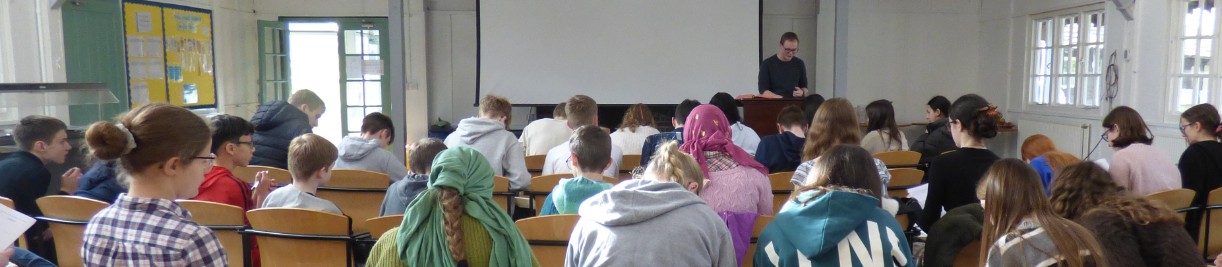
Christadelphians are a community who take fellowship very seriously. No one is perfect, but we try hard to live as our Lord commanded, looking out for each other’s spiritual and practical welfare, studying God’s word together, working together in the Lord’s service, and making opportunities to enjoy each other’s company. A feature of our fellowship is that when anyone is baptised and joins the worldwide family, they necessarily join an ‘ecclesia’ (a congregation), and that becomes their spiritual home.
Inevitably there are those who find themselves in physical isolation from their brothers and sisters, but their fellowship is encouraged via visits and, nowadays, the benefit of video conferencing.
Jesus Christ told his followers, “By this all people will know that you are my disciples, if you have love for one another” (John 13:35). This can only be done by those who embrace his family.