



We have a friend—let’s call him Jim—who recently went on a boating holiday with his wife Joan and her family.
You might almost call it a working holiday, because there was a lot to do just to keep the boat on an even keel and going where they chose, rather than where the wind wanted it to go! For them, the most important thing was the journey, not the destination. The family enjoyed their time together, getting to know each other better as they learned to direct the boat, and appreciated many beautiful sights along the way. And aspects of the holiday brought Bible lessons to mind.
Teamwork
Jim told me that one thing their holiday emphasised was the importance of working together. Teamwork is often necessary in life, but its importance was highlighted on this small boat. There were many tasks that needed doing, and things only went smoothly if everyone contributed. The family needed to learn how to run the boat and direct its course. They worked together to lay the anchor, signal, steer, watch wind signals, and so on. It would be a recipe for disaster if one person was laying the anchor while somebody else was trying to go full speed ahead! The crew member who was steering needed to know where the skipper was wanting them to go, or they’d end up in the wrong place. Or imagine if everyone except Jim decided to have a sleep when many jobs needed doing! Cooperation was essential.
The spiritual parallel is clear: we need to work together in our spiritual journey. We are not isolated people working with God—teamwork is essential. The apostle Paul wrote about this: ‘As in one body we have many members, and the members do not all have the same function, so we, though many, are one body in Christ, and individually members one of another. Having gifts that differ according to the grace given to us, let us use them’ (Romans 12:4–6).
Imagine a body without eyes. It’s like the boat without someone steering, or a group of believers failing to see who needs help. Just as a body without legs can’t walk anywhere, a boat without a crew will sit in the harbour, and a group of believers who never do anything won’t progress in godliness.
Again Paul writes:
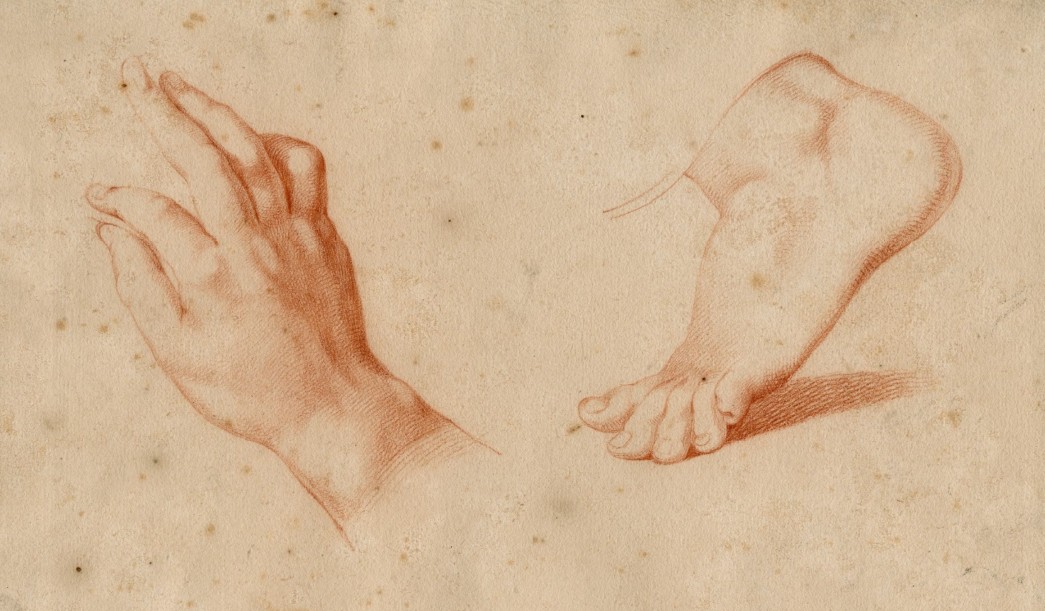
‘Just as the body is one and has many members, and all the members of the body, though many, are one body, so it is with Christ. For in one Spirit we were all baptized into one body—Jews or Greeks, slaves or free—and all were made to drink of one Spirit. For the body does not consist of one member but of many. If the foot should say, “Because I am not a hand, I do not belong to the body”, that would not make it any less a part of the body. And if the ear should say, “Because I am not an eye, I do not belong to the body”, that would not make it any less a part of the body. If the whole body were an eye, where would be the sense of hearing? If the whole body were an ear, where would be the sense of smell? But as it is, God arranged the members in the body, each one of them, as he chose. If all were a single member, where would the body be? As it is, there are many parts, yet one body… Now you are the body of Christ and individually members of it’ (1 Corinthians 12:12–20, 27).
Now think about a congregation of believers. Preaching the Gospel message is necessary, teaching the children is important, visiting the sick is vital. One person may be especially good at speaking to others about their faith. Another might be better at putting preaching leaflets in letterboxes. A third person might be best at visiting the sick, while a fourth may have a great skill with young children and be perfectly suited to teaching Sunday School. Of course, we can’t just find the one thing we are good at (or enjoy!) and ignore the other tasks. Jim’s family had to take turns at the various jobs on the boat. Many tasks can be done by a variety of people—the main thing is to work hard in God’s service, in cooperation with others. Imagine if the person who is best at visiting those in hospital should find themselves in hospital. Should they miss out on a visit? No, a body sometimes has to compensate, and teamwork is the ultimate answer.
Leadership
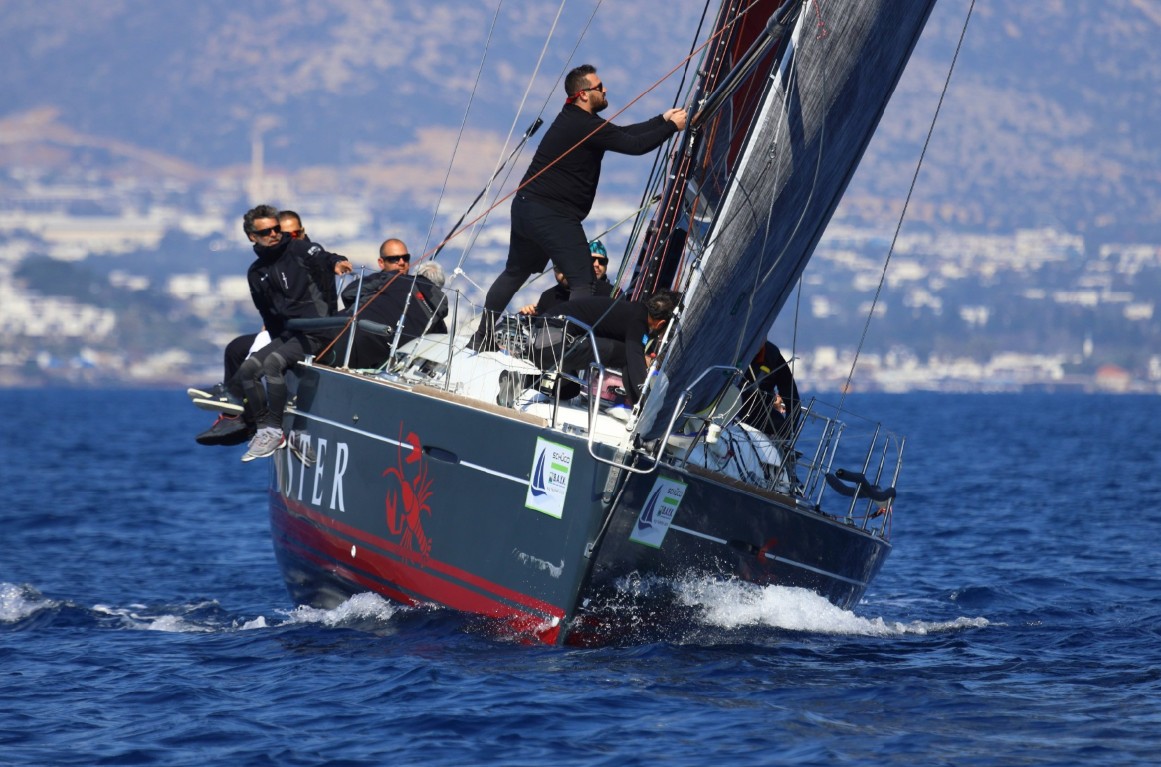
Now, teamwork is really good, but what if nobody is in charge? Suppose in the boat Jim wants to go left and Joan wants to go right, while Joan’s mother wants to anchor for the night but her father wants to go on for another hour. This is where the captain comes in. He has the overall job of guiding everyone, and all must defer to his instructions. Paul described disciples in Romans 12:5 as ‘one body in Christ’. Christ is the one we must obey. We must accept and follow his instructions. Jesus said, “Truly, truly, I say to you, whoever believes in me will also do the works that I do… If you love me, you will keep my commandments… Whoever has my commandments and keeps them, he it is who loves me. And he who loves me will be loved by my Father” (John 14:12, 15, 21).
So Christians must follow what Jesus did and obey his commands, just as Jesus obeyed his Father’s commands. Picture him as the captain of our boat, the boat of our life journey. We can rely on him because he’s taken this journey himself. He is the expert who knows the results of all our potential actions.
The Rudder
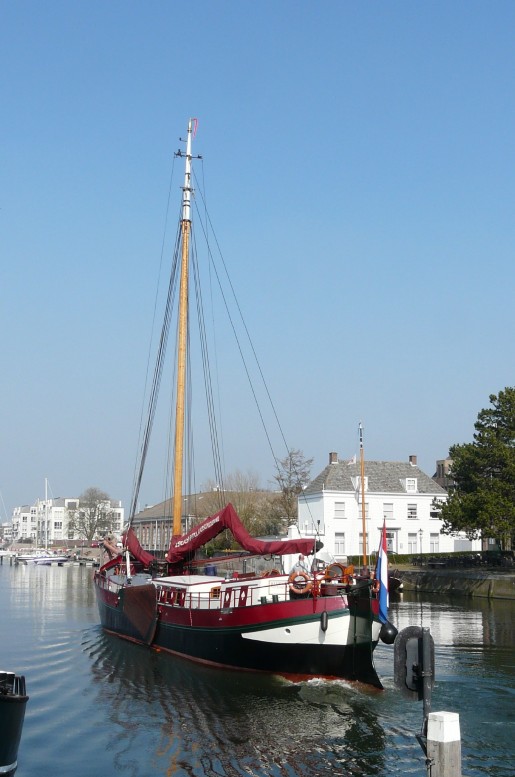
Something else our friend Jim contemplated while on the water was the tiny part of the boat called the rudder. It is only small, yet it plays a crucial role in guiding the boat. James says, ‘Look at the ships also: though they are so large and are driven by strong winds, they are guided by a very small rudder wherever the will of the pilot directs. So also the tongue is a small member, yet it boasts of great things’ (James 3:4–5).
James goes on to explain the terrible trouble we can cause with our tongues. Have you ever said something unkind on the spur of the moment and wished you could take back those words? But the damage is done! James says of our tongue, ‘With it we bless our Lord and Father, and with it we curse people who are made in the likeness of God. From the same mouth come blessing and cursing. My brothers, these things ought not to be so’ (vs. 9–10). If you ever feel like saying something foolish, rude or unkind, think of where you are going. If you want to travel to God’s kingdom, then you need to use your tongue-rudder for good.
The wise man Solomon had a few things to say about the tongue, often as a contrast between good and bad uses of the tongue. To give two examples, Proverbs 12:18: ‘There is one whose rash words are like sword thrusts, but the tongue of the wise brings healing’; and Proverbs 15:4: ‘A gentle tongue is a tree of life, but perverseness in it breaks the spirit’ Which do you want to be? One who wounds or one who heals? One who gives life or one who breaks the spirit? Before opening your mouth, remember that the tongue is the little rudder of your body. Of course, just as a boat can adjust its course if it goes wrong, so you can ask forgiveness (of both God and the person you spoke to) and start off again in a better direction. However, this is not the ideal!
Jim and Joan’s boating holiday made them ponder teamwork, following the captain’s orders and using their tongues well. Followers of Christ must work together in harmony with fellow believers, with Christ as their captain as they travel together to God’s Kingdom, using their tongues wisely to show their direction in life and encourage others.
RUTH MORGAN