



Everyone is in need of redemption. Our nature is characterized by sin: ‘for all have sinned and fall short of the glory of God’ (Romans 3:23). But God can redeem us, being ‘justified by his grace as a gift, through the redemption that is in Christ Jesus’ (v. 24).
Redemption holds profound spiritual meanings. The concept is found throughout both the Bible’s Old and New Testaments. In the Old Testament it refers to regaining possession of something in exchange for payment or clearing a debt. In the New Testament it takes on added meaning—to be delivered from the bondage of sin and death through the precious blood of the Lord Jesus Christ.
Meaning of the Word
The English word ‘redemption’ comes from the Latin redemptio, which literally means ‘buying back’. In the original Hebrew of the Old Testament, the word gâʼal is often used to denote buying back property. For example, ‘If your brother becomes poor and sells part of his property, then his nearest redeemer shall come and redeem what his brother has sold. If a man has no one to redeem it and then himself becomes prosperous and finds sufficient means to redeem it, let him calculate the years since he sold it and pay back the balance to the man to whom he sold it, and then return to his property’ (Leviticus: 25:25–27). It is also used of delivering someone from loss or slavery. For example, “Say therefore to the people of Israel, ‘I am the LORD, and I will bring you out from under the burdens of the Egyptians, and I will deliver you from slavery to them, and I will redeem you with an outstretched arm and with great acts of judgement’” (Exodus 6:6). The word signifies God’s powerful act of delivering His people from slavery, fulfilling His role as their Divine Redeemer.
In the Greek New Testament, the word apolytrosis signifies release obtained through the payment of a ransom, ultimately fulfilled in Christ’s redemptive work. For example, ‘justified by his grace as a gift, through the redemption that is in Christ Jesus’ (Romans 3:24). In this context, the ‘ransom’ is the sacrificial death of the Lord Jesus, which makes forgiveness and reconciliation with God possible (1Timothy 2:5–6).
The Greek noun apolytrosis appears ten times in the New Testament and is used primarily by the Apostle Paul in his letters, to describe the release or deliverance that God provides through Christ.
A related Greek word is the verb ōlytropö, which means ‘redeemed’ or ‘ransomed’. It refers to God delivering believers from the bondage of sin and death through the sacrificial death of the Lord Jesus Christ. For example, ‘You were ransomed from the futile ways inherited from your forefathers, not with perishable things such as silver or gold, but with the precious blood of Christ, like that of a lamb without blemish or spot’ (1 Peter 1:18–19).
Peter teaches that Christ offered his life—his precious blood—by which our redemption was accomplished.
Old Testament Pictures
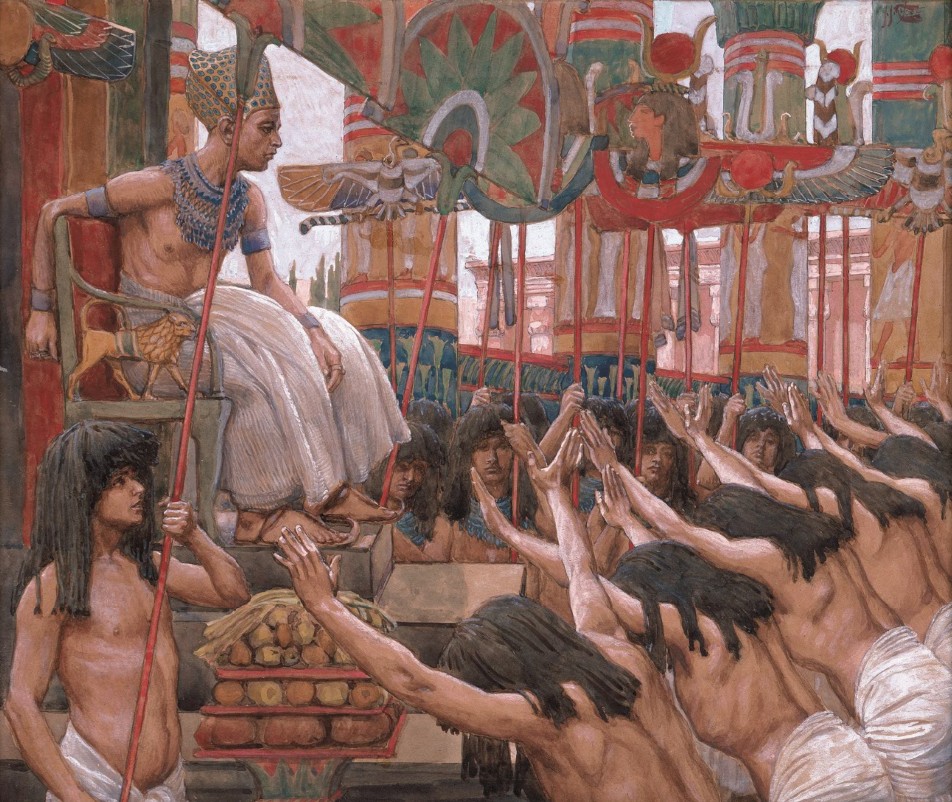
The Bible is filled with stories that exemplify the theme of redemption, from Genesis to Revelation. These stories show God’s unfailing love, abundant grace, compassionate care and transformative power in the lives of individuals and entire nations.
In Genesis 37–50 we find the story of Joseph and his brothers, which illustrates how God intervened in events to bring about redemption. Despite being sold into slavery and facing numerous trials, Joseph persevered, and throughout his journey the phrase ‘the LORD was with Joseph’ is repeated, highlighting that God’s constant presence and intervention sustained him through every hardship.
Ultimately, Joseph forgave his brothers and saved his family from famine. In Genesis 50:20 we read, “As for you, you meant evil against me, but God meant it for good, to bring it about that many people should be kept alive, as they are today.” This powerful and beautiful quote reveals how God transforms human evil into a redemptive purpose.
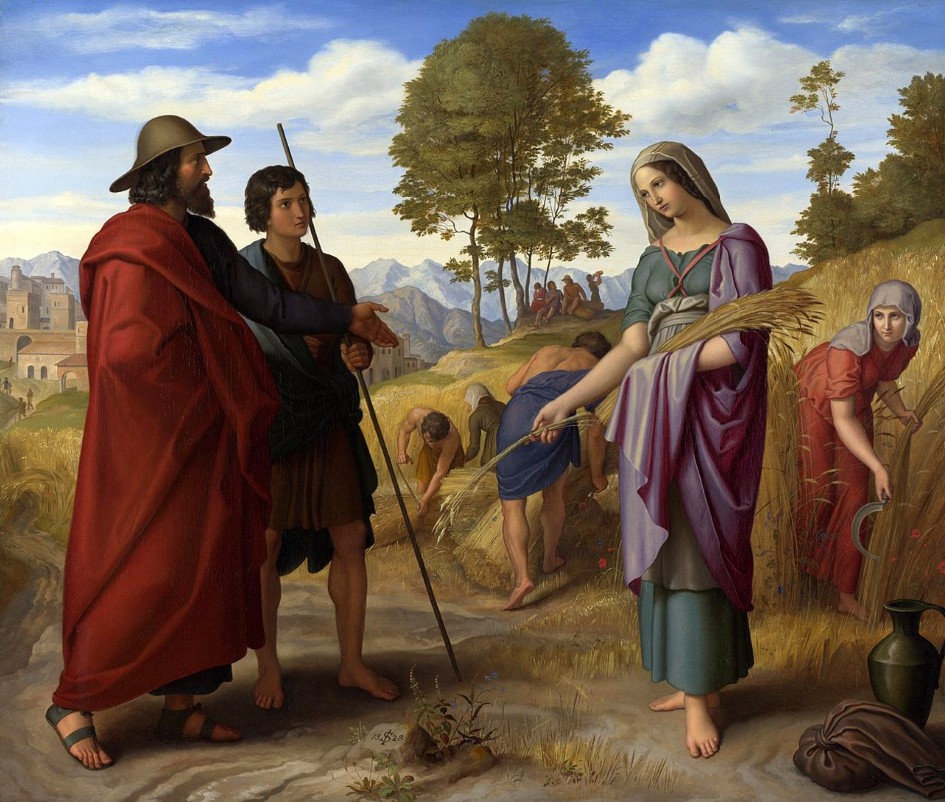
In the book of Ruth, we encounter a lovely story of redemption through the relationship between Ruth and Boaz. Ruth, a Moabite widow, found herself in a vulnerable and poor position, relying on Naomi’s God for guidance. Yet through God’s providential care, she met Boaz, a kind, generous and righteous man who acted as her kinsman-redeemer (the word is goel, which is related to gaʾal). Ruth explicitly recognised him
as a redeemer in Ruth 3:9, asking him to take responsibility for her protection. Boaz, following God’s law and acting with integrity, redeemed (gaʾal) both the land of Naomi’s family and Ruth herself through marriage (Ruth 4:3–10). Taking place at the city gate, the act was lawful and publicly recognized, with elders witnessing the transaction. This redemption is remarkable in several ways. It restored not only property but also Ruth’s dignity and security. She entered the family line that ultimately led to the Lord Jesus Christ, showing how God’s providence works through human actions to accomplish His redemptive plan.
New Testament Parable
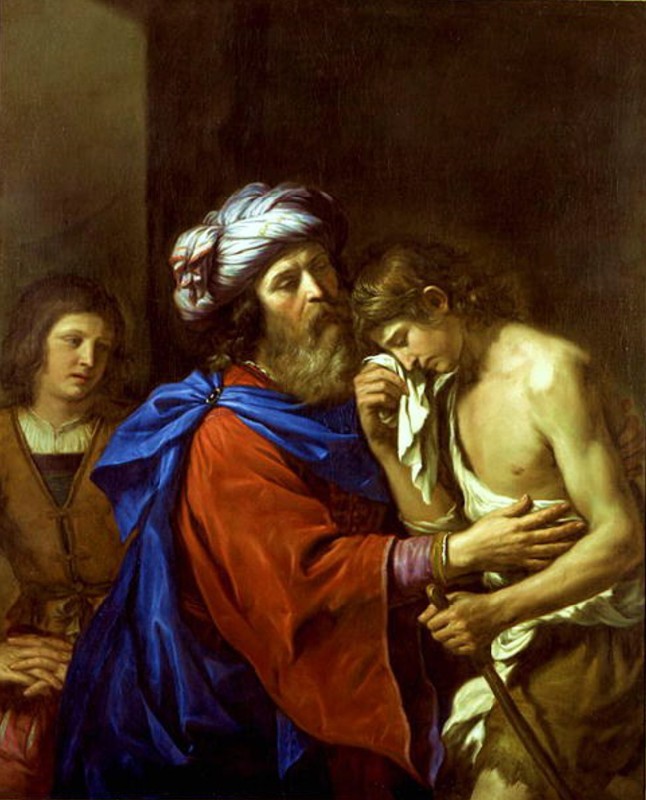
In the New Testament, one of the most well known stories of redemption is a story of Jesus which is sometimes known as the “parable of the prodigal son” (Luke 15:11–32). Although the parable does not use the word ‘redemption’ directly, it gives a symbolic picture of what redemption looks like.
Jesus’ story depicts a young man who squandered his inheritance in a sinful lifestyle—symbolizing the way people drift from God and become trapped in their fleshly desires. However, upon realizing the error of his ways, he humbly returned to his father—a symbol of repentance and turning back to God. The father lovingly welcomed him, restored him, and celebrated his return—symbolizing God’s mercy, forgiveness and the full restoration He offers to those who come back to Him. In simple terms, the story shows how God redeems us in real life: He receives us with love, frees us from our past and gives us a new beginning.
Redemption and salvation are closely linked, but they are not exactly the same. Redemption is more specific than salvation. It refers to the purchase or release of someone through the payment of a price. The Lord Jesus directed us to the very centre of his redeeming work when he said that the Son of Man came “to give his life as a ransom for many” (Mark 10:45). Redemption, then, is the act—Christ offering himself as the ransom. Salvation is the result—the deliverance, forgiveness and new life we receive as that price has been paid for us. The story of redemption reminds us that every ending in God’s hands becomes a new beginning.
BAHAR RAEISI