


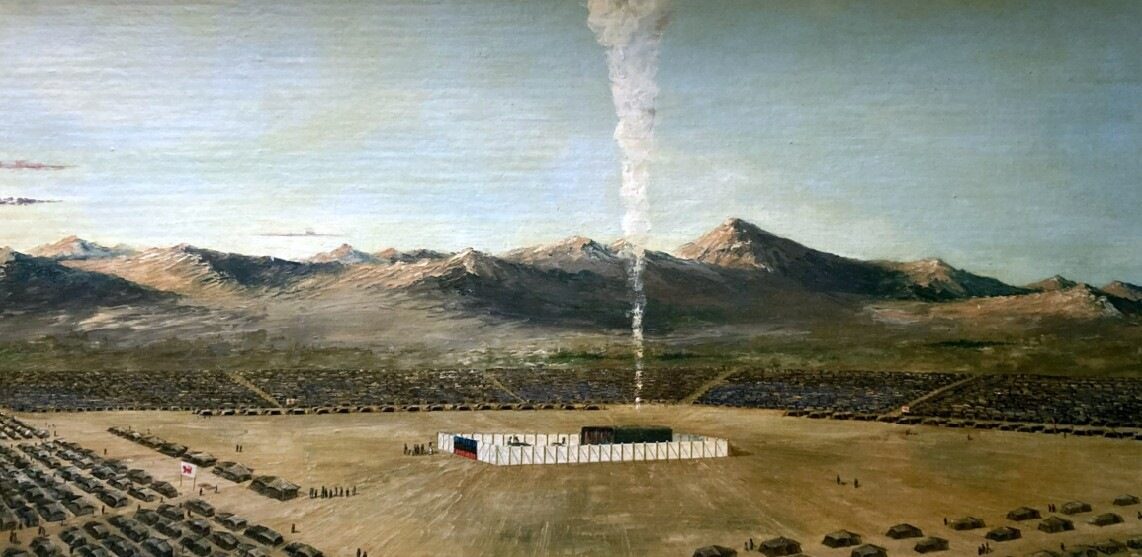
It is sometimes assumed that the Bible is full of miracles. Actually God gave humans miraculous powers for only about 20% of the 4,000 years of world history which the Bible narrates—and He gave them powers only ever for a specific reason.
When God commanded Moses to lead His people Israel out of their slavery in Egypt, He enabled Moses to perform two specific miracles, that the Israelites “may believe that the LORD, the God of their fathers… has appeared to you” (Exodus 4:5). And they listened (vs. 30–31), because the signs confirmed God’s words.
Moses brought Israel out of Egypt, led them through the wilderness, gave them their Law, and brought them to the edge of the Promised Land. But despite the Law becoming the foundation of Hebrew life, it was only temporary, having ‘a shadow of the good things to come’ (Hebrews 10:1).
Jesus came 1,500 years later to show that the Law was not enough. God gave him power to perform miracles so that people would know that he came from God. When Jesus sent his apostles to preach across the wider world, he gave them power for the same purpose: ‘And they went out and preached everywhere, while the Lord worked with them and confirmed the message by accompanying signs’ (Mark 16:20). The signs were always to confirm the word, as was shown again in the life of the early church after Christ had ascended to heaven: ‘They remained for a long time, speaking boldly for the Lord, who bore witness to the word of his grace, granting signs and wonders to be done by their hands’ (Acts 14:3).
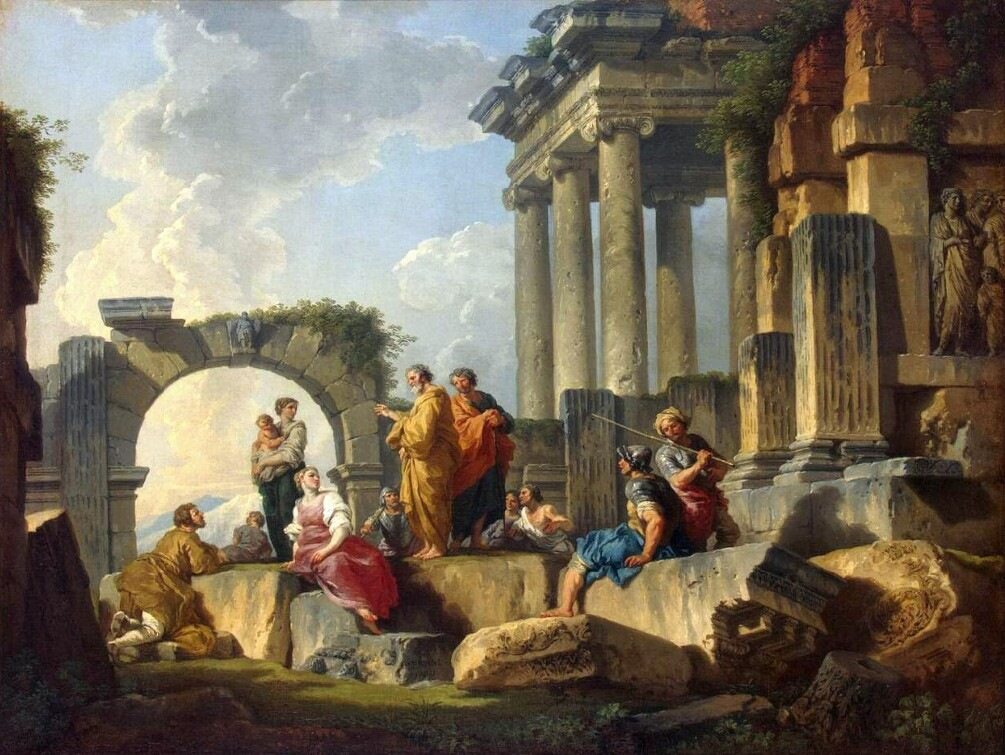
These powers were not permanent. The apostles themselves had to be given them on at least three occasions (Mark 3:14,15, then John 20:22, then Acts 2:4).
The First Century believers were given miraculous powers to build the brotherhood. (There is a comparison with the miraculous powers given to the craftsmen Bezaleel and Aholiab in order to construct the tabernacle in the wilderness, Exodus 31:1–6).
In his first letter to the Corinthians, the Apostle Paul describes the Holy Spirit gifts. You can read a summary of them in chapter 12:4–11. They included ‘utterances of wisdom’, ‘gifts of healing’ and ‘tongues’.
If you read this chapter, and Romans 12:4–8, and Ephesians 4:11–13, you’ll see that each passage explains how different believers were given different gifts to teach them to operate in unity. The body of believers is likened to different parts of a human body, each part having a different role, and all working together as one.
In the early church, Jews and Gentiles from many different nations, with different backgrounds, cultures and traditions, were suddenly thrust together. There was much potential for conflict and strife. They had so much to learn in order to come together as one body in Christ. Therefore, as well as the gifts confirming the message that they preached, these gifts united totally different people from totally different backgrounds into one body, which in turn helped each individual believer to become more like Christ—‘to equip the saints for the work of ministry, for building up the body of Christ, until we all attain to the unity of the faith and of the knowledge of the Son of God, to mature manhood, to the measure of the stature of the fullness of Christ, so that we may no longer be children, tossed to and fro by the waves and carried about by every wind of doctrine, by human cunning, by craftiness in deceitful schemes. Rather, speaking the truth in love, we are to grow up in every way into him who is the head, into Christ’ (Ephesians 4:12–15).
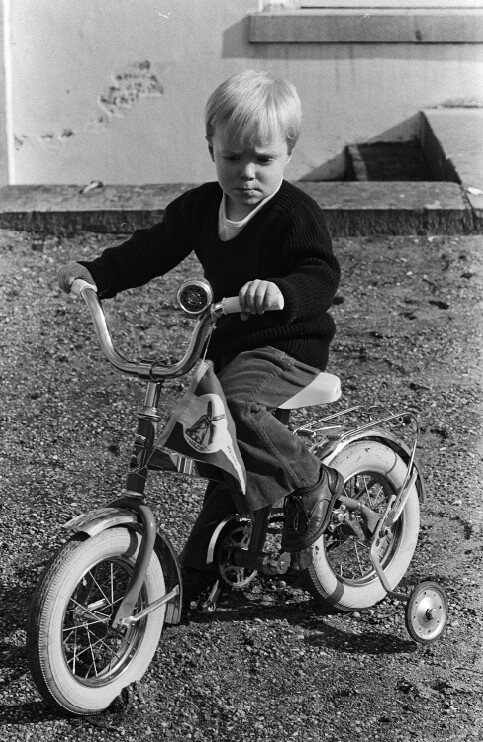
Notice the word ‘until’ in this passage. There was a temporary nature to these gifts, and they were for a specific purpose. They were like stabilisers on a child’s bike, which help the child stay upright while they learn to balance. What matt-ered most was the Word. The gifts would help the congregations become established. Once the brothers and sisters grew up they would not need the ‘stabilisers’. The gifts were a temporary help—the real answer was the complete Word of God. Paul emphasised this point: ‘And now I commend you to God and to the word of his grace, which is able to build you up and to give you the inheritance among all those who are sanctified’ (Acts 20:32).
It was always about the Word.
‘If I speak in the tongues of men and of angels, but have not love, I am a noisy gong or a clanging cymbal. And if I have prophetic powers, and understand all mysteries and all knowledge, and if I have all faith, so as to remove mountains, but have not love, I am nothing’ (1 Corinthians 13:1–2). Paul explains that without love, the Holy Spirit gifts mean absolutely nothing. It was never about the gifts. They were a temporary measure which would come to an end: ‘Love never ends. As for prophecies, they will pass away; as for tongues, they will cease; as for knowledge, it will pass away. For we know in part and we prophesy in part, but when the perfect comes, the partial will pass away’ (vs. 8–10). They would end when that which is ‘perfect’ (the original word means ‘complete’) had come. ‘When I was a child, I spoke like a child, I thought like a child, I reasoned like a child. When I became a man, I gave up childish ways. For now we see in a mirror dimly, but then face to face. Now I know in part; then I shall know fully, even as I have been fully known’ (vs. 11–12).
When the Word of God was complete, when the Bible was finished, it was time for them to grow up! They now had everything they needed to guide them.
The gifts are not for today—in fact, the letter to the Hebrews describes them as a ‘taste’ of ‘the powers of the age to come’ (Hebrews 6:5).
The day will come when God will once again give His powers to people. For now, that which is perfect is in our hands. The Word of God contains everything that we need to follow Christ, for ‘all Scripture is breathed out by God and profitable for teaching, for reproof, for correction, and for training in righteousness, that the man of God may be competent, equipped for every good work’ (2 Timothy 3:16–17).
What an amazing gift—a gift of the Spirit that lives and lasts for ever! Followers of Christ need to ‘grow up‘, fiII their lives with it, and never take it for granted, as they prepare for the Kingdom of God to come.
PETER ANDERTON