


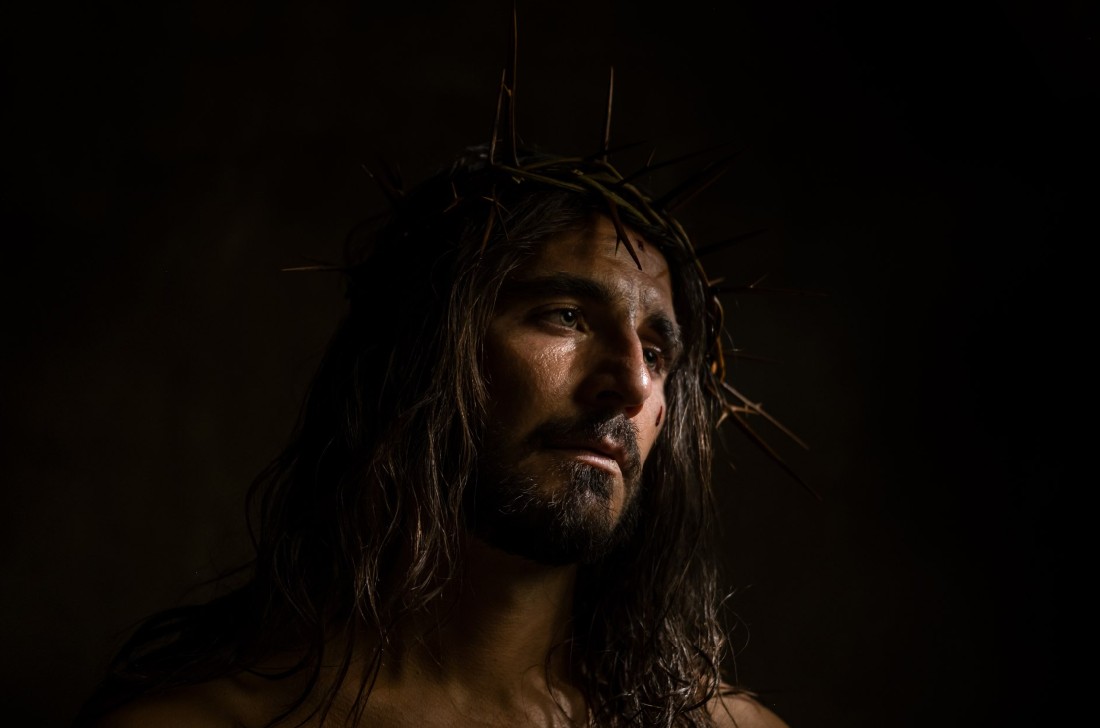
A fundamental teaching of Christianity is that Jesus died ‘for us’ (John 3:16; Romans 5:8; 1 Corinthians 15:3; 1 Peter 2:24, 3:18). What does this mean?
Jesus was mortal, so in the natural course of events he would—like us—die (Hebrews 2:14–18). But he did not die a natural death. Jesus was crucified—executed by the Romans. Moreover, according to the Bible, this sacrificial death was essential for our salvation. Many people struggle with this. Was God being cruel, or unfair? Was Jesus our substitute—that is, was God punishing him instead of punishing us? Did Jesus die in order to appease God’s anger with us? His death was horrific, by any standards, so WHY did Jesus have to die in this way?
It Was God’s Will
Jesus’ death was no unfortunate accident. The men who were responsible for torturing and murdering this totally innocent man were ‘wicked’, as they all had choice and made bad choices. Nonetheless, it was not a mistake of history. It was not merely a huge human error and miscarriage of justice. For God knew how they would react, and it was all part of the explicit plan of God: ‘This Jesus, delivered up according to the definite plan and foreknowledge of God, you crucified and killed by the hands of lawless men’ (Acts 2:23).
This is a clear message of the Bible. It runs through the whole of the New Testament. It starts with the Gospels, is taught in the Acts, it’s reiterated in the letters by the apostles, and it’s a key theme in the Bible’s final book, Revelation. It had been prophesied in the Old Testament in many places, and Jesus himself said that it had to happen so that ‘the Scriptures should be fulfilled’ (Matthew 26:54–56; Luke 24:25–27).
God gave us His Son to offer us salvation (John 3:16). And this was to be by the sacrificial death of that altogether lovely man (John 12:27–33).

The simplest, and undoubtedly correct, answer to ‘why’ is that God said so, and God is always right. God said that Jesus should die. The God of the Bible defines moral standards and justice. He defines what is right, and so Jesus’ crucifixion, and everything leading up to it, was ‘right’. Not morally right on the part of those who did it, but ‘right’ in the sense that God actually asked it of His beloved Son, for His awesome purpose of salvation.
We could stop there, and humbly accept what God has said. But the Bible contains much more information than this. God has told us very much more about the death of His Son, Jesus. We do well to take note, because the Bible was written so that by ‘reproof, correction, and training in righteousness’ we can be ‘complete, equipped for every good work’ (2 Timothy 3:16–17). The historical accounts of Israel are ‘for our learning’ (Romans 15:4; 1 Corinthians 10:11). Much more so, the prophecies and accounts of Jesus’ crucifixion.
Our Natural Alienation from God
Throughout the Bible God shows us His character. The Bible is the only way we can find out about God. His characteristics are described in Exodus 34:6–7: ‘merciful and gracious, slow to anger, and abounding in steadfast love and faithfulness, keeping steadfast love for thousands, forgiving iniquity and transgression and sin, but who will by no means clear the guilty…’ This is subsequently exemplified in His dealings with individuals and nations.
God is merciful, gracious, kind and full of compassion. But He is righteous. He cannot lie (Titus 1:2). He has to behave in accordance with His moral standards. Unlike every one of us, He cannot do otherwise.
The death of Jesus was horrific. And the reason for it was dire. If we can comprehend this then it should evoke the correct response in us.
First of all, God hates sin. He cannot ‘look at wrong’ (Habakkuk 1:13). Of course, He can see sin. He knows everything, even what we are going to do or think (Psalm 139:1–6). But He shows great displeasure and wrath toward sin, and He does not (cannot) tolerate, delight in, or have fellowship with sin.
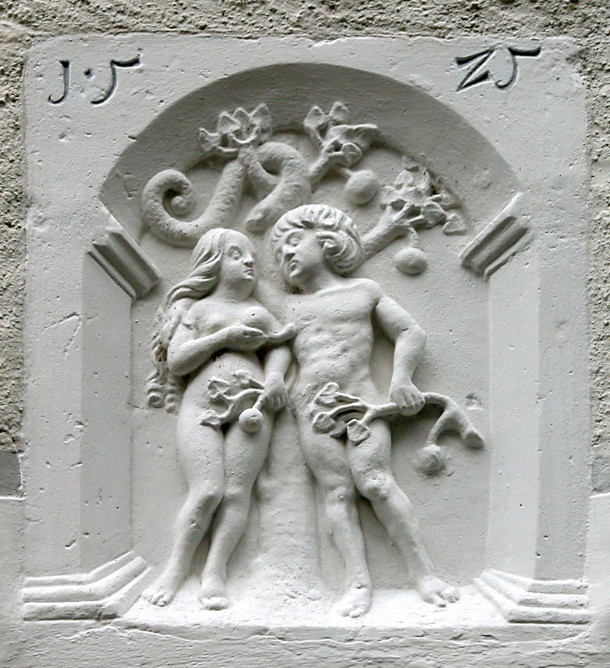
Adam and Eve had one simple commandment, and if they broke this the punishment was to be death. They broke it, and they died (Genesis 2:15–17, 3:1–19). They were changed. From that point they were both under God’s death sentence and were prone to sinful thoughts.
Their offspring inherited these characteristics, and so we are all mortal (1 Corinthians 15:21–22). With the one exception of Jesus, every human being having been tempted to do wrong has succumbed. We have all, like them, disobeyed God (Romans 5:12). This situation is extremely serious. So much so, that in our natural state we are described as being ‘enemies of God’ (Romans 5:10). We are alien to His ways and thoughts; hostile to Him (Colossians 1:21–23). We are naturally opposed to Him. We do not please Him. That is why, without the Bible, we cannot work out a system of godly morality. It is not natural to us. The teaching of Jesus in the “Sermon on the Mount” (Matthew 5:1–11) is completely counter-intuitive to our natural inclinations—albeit that is the way he himself lived every day.
We might think that we, or others, are “nice, decent people”. But God’s assessment is different. Jesus himself said that only God is intrinsically good (Mark 10:18). The prophet David, quoted by Paul, said that ‘none is righteous’ (Romans 3:12, quoting Psalm 14:3). And the older I get, the more I realise how true this is of myself. This could be a source of deep depression. It could make one feel useless, a great failure and hopeless. But that is not what God wants. He wants a relationship with us, in which we acknowledge our unworthiness; and He asks for a humble, grateful response to the sacrifice of His Son at Calvary. And the more we understand what Calvary was about, the more we are likely to respond in the right way.
God cannot tolerate sin. That is why He cannot let sinners live forever. He cannot. It is that simple. Death is the correct outcome (Romans 6:23). It is what we have earned by sinning. It is what we deserve. You have earned death. I have earned it, and earn it every day. We cannot argue with God. He owes us nothing. Everything we have is from Him, and any blessings are more than we deserve. The blessing of Jesus is far, far more than we deserve.
In this sin-death state there was never anything we could do to save ourselves (Psalm 49:7–14). But God provided the solution, right from the Garden of Eden.
The Need for Sacrifice
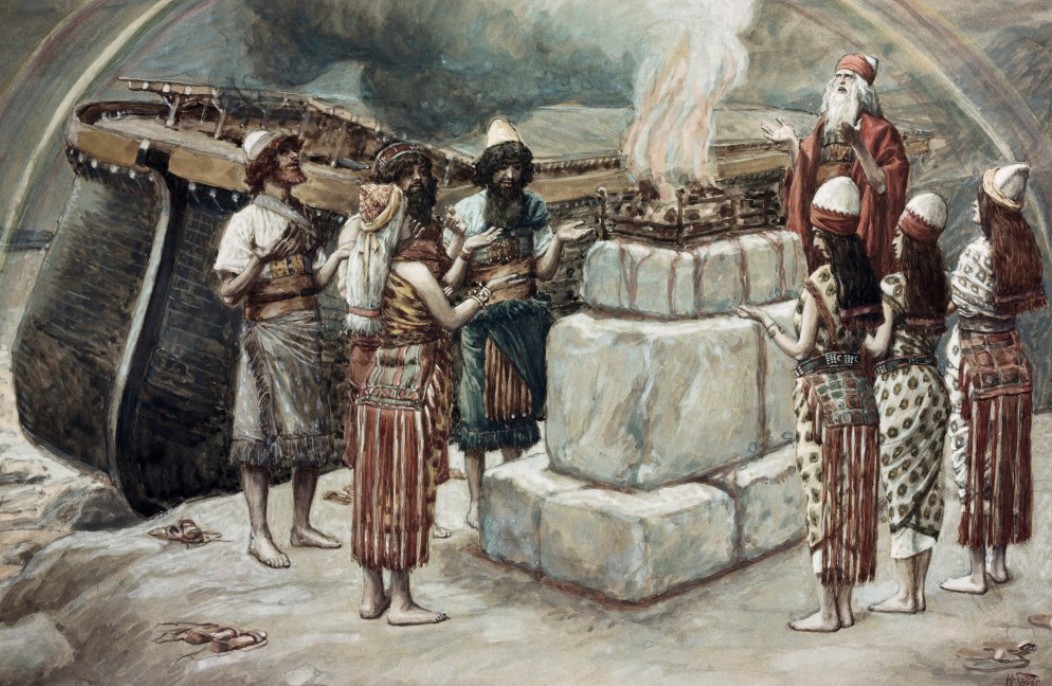
The solution involved sacrifice. The Old Testament has many, many examples of animal sacrifices, starting in the Garden of Eden (Genesis 3:21). Faithful men like Noah and Abraham offered sacrifices to God (Genesis 8:20, 12:7–8). In the Law of Moses which God gave to Israel in the books of Exodus through to Deuteronomy, sacrifices were an integral part of worship.
Some people think that this is cruel. Why should an innocent animal have to die because of us? Many of the sacrifices were because people had done wrong things. They had to put their hand on the head of the animal as it was killed (Leviticus 1:4, 3:2, 4:4, 4:24). This was an admission of guilt: a statement that they, themselves, deserved to die for what they had, or had not, done. Blood had to flow (Hebrews 9:22). The Law also taught that life was in the blood (Leviticus 17:11). So when blood flowed the life was lost. Sin caused death. And if people offered these sacrifices in obedience to God, then He forgave them their sins.
However, the New Testament explains that the sacrifices of bulls and goats could not actually ‘take away’ sins (Hebrews 10:1–4). In fact, the animal sacrifices should have heightened awareness of sin and its associated guilt. Those who thought about this would have realized the need for an ultimate, perfect sacrifice. Not the sacrifice of an animal, but of someone who was like them.

The apostle states categorically that the sacrifice of Jesus was different from animal sacrifices. It could and did remove sin for those people who believe and try to obey (Hebrews 10:12–14). This is because Jesus was just like them. He could have sinned, but did not. He was totally obedient, even to death (Philippians 2:8). Jesus was not God. He showed us the character of God, but—unlike God—he was flesh and blood. He was tempted but did not succumb (Hebrews 4:15). He could, and did, die. But God raised him from the dead. Now, like God, he has divine nature. Now he cannot be tempted. He cannot sin. He cannot die. A member of the human race who lived a perfect life and died voluntarily for us.
What God Wants
In fact, God never took any delight in the blood of animals or even their death. It was not dead animals that He really wanted (1 Samuel 15:22; Isaiah 1:11–17). What He wanted was the correct response in the man or woman making the sacrifice. A humble and repentant heart and a willingness to obey Him (Micah 6:8).
That is exactly what Jesus did:
‘When Christ came into the world, he said, “Sacrifices and offerings you have not desired, but a body have you prepared for me; in burnt offerings and sin offerings you have taken no pleasure.Then I said, ‘Behold, I have come to do your will, O God, as it is written of me in the scroll of the book’” (Hebrews 10:5–7).
So Jesus died as a loving act of obedience, because God asked it of him, because he knew that God was right.
God asks us to follow Jesus.
God’s mercy is always with judgment. He has to judge sin. That is necessary in order to declare His righteousness. It is horrific to read the details of Jesus’ death. We should find them hard to read. But in his death, he declared publicly that “God is right”. And in that awesome act there was absolutely no disagreement between the Father and the Son. It was the ultimate loving act of them acting jointly together.
This is explained in Romans 3:21–26, a very important passage. Here is an excerpt:
Now the righteousness of God has been manifested apart from the law… the righteousness of God through faith in Jesus Christ for all who believe… for all have sinned and fall short of the glory of God, and are justified… through the redemption that is in Christ Jesus whom God put forward as a propitiation* by his blood, to be received by faith. This was to show God’s righteousness… so that he might be just and the justifier of the one who has faith in Jesus.
I know people who are traumatized by the knowledge that they have killed someone by tragic accident. In order to try to make up for their guilt they may work tirelessly for a charity. How much greater should our reaction be to the crucifixion of Jesus Christ! Because as sinners we are all, every one of us, responsible in part for the death of Jesus.
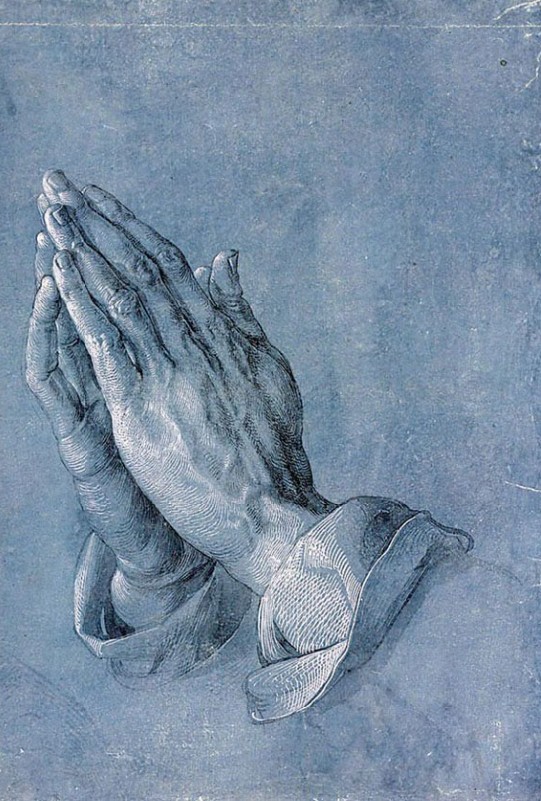
There is a lovely old hymn, which reflects these sentiments:
“Was it for me thy flesh was wounded sore, thy body lifted high on cross of shame… Was there no other way for any man to live but thou must die, no joy but through thy grief?… Lord, let me… come to take the pardon thou didst gain…” **
The events at Calvary were awesome. It was the plan of God with which Jesus lovingly complied. They both worked together to offer us eternal life. To reconcile us to God. Without this sacrifice we would perish, as we deserve. Jesus died that we might live. May we respond with gratitude, humility, and a determination to obey.
ANNA HART
*’Propitiation’ means ‘to appease’, to cover over wrongdoing.
**Hymn 221 in the Christadelphian Hymn Book.