


The Psalms are the Bible’s song book. They are always a source of comfort, encouragement and exhortation.
There are 150 Psalms, and Psalm 1 can be seen as an introduction to them. It is a guide that shows us how to live our lives. It shows us the two alternative ways we can live. They are both clearly and positively described, so we’re left in no doubt which is the right way.
The Way of Death
The Psalm begins by describing three positive steps—or rather, three negative steps to avoid: ‘Blessed is the man who walks not in the counsel of the wicked, nor stands in the way of sinners, nor sits in the seat of scoffers’ (v. 1). We see the progression of a life that is slipping into godlessness—first the man walks (the Hebrew word means “to be conversant”) with people who don’t want to know God, then he stands (“lingers”) with people who are disobedient to God, then he sits (“settles down”) with people who are actively opposed to God.
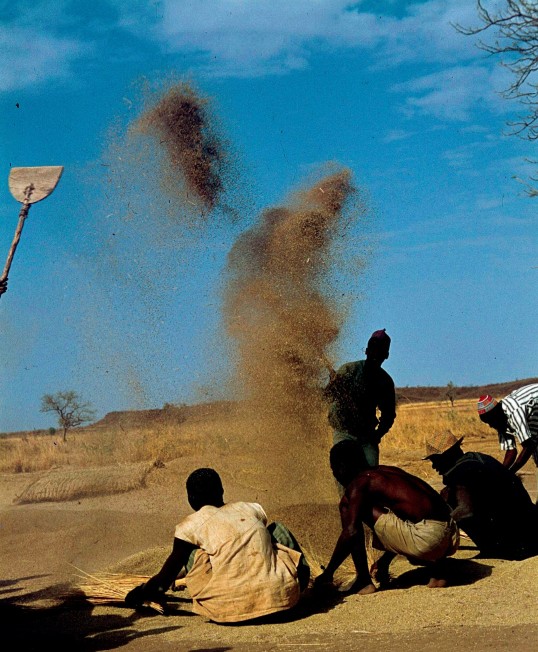
The outcome of that life is to be blown away like chaff (v. 4). The picture is of the farmer winnowing grain—he crushes the ears of wheat, then in order to separate the grain from the dust and husks he throws them all in the air. The grain falls to the ground, and the chaff is blown away.
The Way of Life
By contrast, this is the man who walks in the way of life: ‘His delight is in the law of the Lord, and on his law he meditates day and night (v. 2). Rather than wasting his time with vain companions, he takes delight in the Bible—he reads it and thinks upon it.
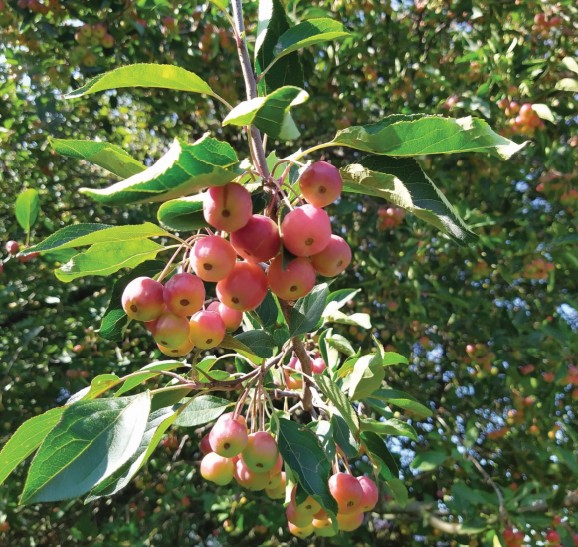
The Psalm presents a delightful picture of this man as a tree planted by a flowing stream, strong, healthy and stable, and bearing abundant fruit (see Galatians 5:22–23).
In contrast to the way of the wicked, which leads to being blown away, the way of the righteous leads to life: ‘Walk in a manner worthy of the Lord, fully pleasing to him, bearing fruit in every good work and increasing in the knowledge of God’ (Colossians 1:10).
The way of life leads to the Kingdom of God. Those who follow it will stand in the gates of Jerusalem when Christ returns to make it his glorious capital city (Psalm 122:2). They will stand fast in the faith, brave and strong (1 Corinthians 16:13). Their ultimate blessing will be as promised by their Saviour the Lord Jesus Christ: ‘“The one who conquers, I will grant him to sit with me on my throne, as I also conquered and sat down with my Father on his throne”’ (Revelation 3:21).
Who Is the Man?
In a discussion, someone asked who it was the Psalmist was describing? There were various suggestions. Was it Abraham—a great man of faith, but he lied about his wife (Genesis 20:5). Was it Moses, the leader of God’s people? But he cursed at the waters of Meribah (Numbers 20:10). Was it great King David? He was an adulterer and murderer
(2 Samuel 11). Then a Jew, who had been reading the Bible’s New Testament, said that it obviously refers to Jesus of Nazareth.
The more we come to know Jesus Christ, the more we recognise him as the perfect man, the example of all that is good that we should follow. In whatever circumstances of life we find ourselves, especially in these most difficult times, we must keep our roots firmly planted in God’s word, so that we can bear fruit for Him.
As we read through the rest of the Psalms, we see more and more encouragement, warnings, instructions about how we should live, more pictures of the Kingdom to come, and very often we see the Lord Jesus Christ in the pictures painted by them.
TOM INGHAM
PSALM 1
Blessed is the man who walks not in the counsel of the wicked, nor stands in the way of sinners, nor sits in the seat of scoffers; but his delight is in the law of the Lord, and on his law he meditates day and night.
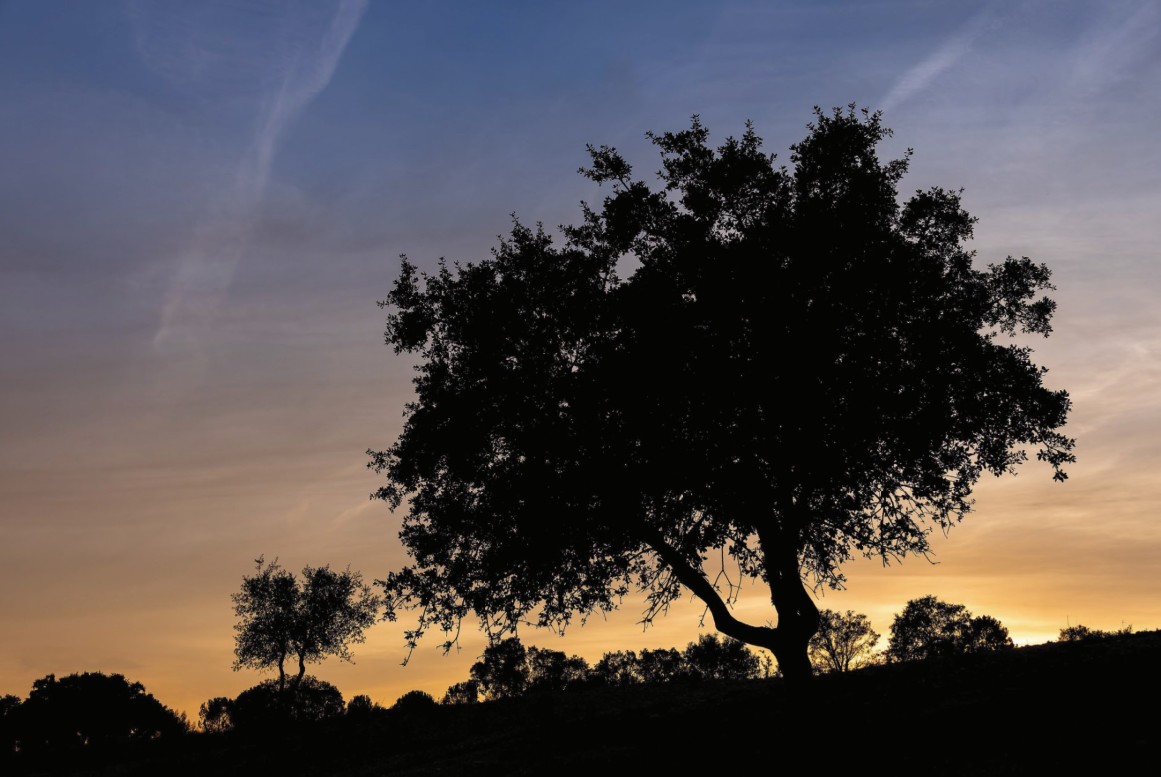
He is like a tree planted by streams of water that yields its fruit in its season, and its leaf does not wither.
In all that he does, he prospers.
The wicked are not so, but are like chaff that the wind drives away.
Therefore the wicked will not stand in the judgement, nor sinners in the congregation of the righteous; for the Lord knows the way of the righteous, but the way of the wicked will perish.